- 877-942-5613
- information@connectservicesolutions.com
- 44 Grant 65, Sheridan, AR 72150
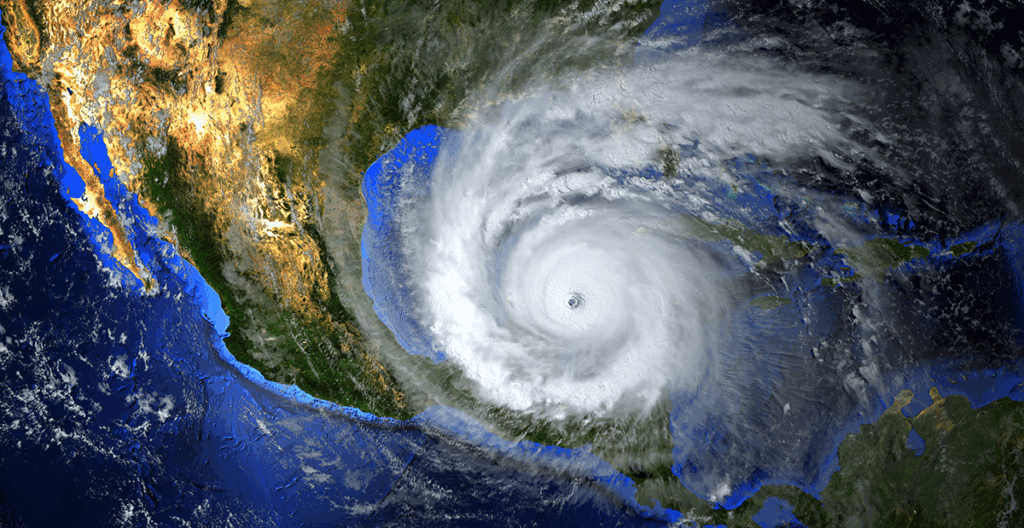
Hurricane season can bring high winds, heavy rainfall, flooding, flying debris, and power disruptions that put commercial facilities at risk. For facility managers and property owners, preparing before severe weather arrives can help reduce damage, protect critical building systems, and minimize operational downtime.
Effective hurricane preparedness for commercial facilities goes beyond the roof. Roofing systems, HVAC equipment, drainage, paved areas, security systems, and emergency procedures should all be evaluated as part of a comprehensive storm preparedness plan.
At Connect Service Solutions, we understand how interconnected these systems are. Taking a proactive approach before hurricane season can help identify vulnerabilities and give facility teams time to address potential problems before a storm is approaching.
Here are seven areas to include in your commercial hurricane preparedness plan.
Your commercial roof is one of your facility’s primary defenses against severe weather, making a pre-storm roof inspection an important place to start.
A professional commercial roof inspection should evaluate areas such as:
Roof membrane: Check for punctures, tears, blisters, open seams, and other visible damage.
Flashings and edges: Inspect perimeter edges, coping, flashings, and terminations for loose or damaged components.
Roof penetrations: Evaluate areas around vents, pipes, skylights, HVAC equipment, and other penetrations.
Drainage systems: Make sure roof drains, gutters, scuppers, and downspouts are clear and functioning properly.
Previous repairs: Inspect previously repaired areas for signs of deterioration or new damage.
Identifying roofing problems before severe weather arrives provides an opportunity to address maintenance and repair needs before the roof is subjected to heavy rain and high winds.
An inspection is most valuable when identified problems are addressed.
Before hurricane season, prioritize outstanding maintenance and repairs throughout your facility. For the roofing system, this could include repairing membrane damage, securing loose flashing or coping, and addressing damaged penetrations.
Facility teams should also inspect other exterior building components that could be affected by severe weather.
Potential maintenance items include:
Repairing damaged roofing materials
Securing loose flashing, coping, and exterior components
Inspecting rooftop equipment and supports
Evaluating doors, windows, and exterior openings
Removing or securing loose outdoor materials
Addressing damaged pavement or drainage areas
Small maintenance issues can become larger problems when exposed to high winds and heavy rainfall, so addressing known deficiencies early is an important part of storm preparation.
Commercial HVAC equipment is another critical consideration when preparing for hurricane season, particularly when units and components are located on the roof.
Facility teams should inspect rooftop HVAC equipment, curbs, supports, connections, and surrounding areas for visible problems.
Before severe weather, consider:
Inspecting rooftop HVAC units and mounting systems
Checking equipment supports and connections
Securing loose components where appropriate
Clearing debris from around equipment
Reviewing backup power procedures for critical systems
Confirming emergency shutdown and restart procedures
After a major storm, HVAC equipment should be evaluated for visible damage before normal operations resume.
Heavy rainfall can quickly expose drainage problems around a commercial property.
Before hurricane season, inspect drainage systems throughout the facility and remove leaves, branches, trash, sediment, and other materials that could obstruct water flow.
Pay particular attention to:
Roof drains
Gutters and downspouts
Scuppers
Storm drains
Parking lot drainage
Detention and retention areas
Low areas where water frequently collects
Standing water can contribute to roofing and pavement deterioration and may create additional accessibility or safety concerns around the property.
Keeping drainage pathways clear helps give stormwater a place to go when heavy rainfall occurs.
Your storm preparedness plan should extend beyond the building itself.
Parking lots, sidewalks, curbs, drainage areas, signage, lighting, and other exterior assets may also be affected by severe weather.
Before hurricane season, walk the property and look for:
Potholes or deteriorated pavement
Drainage problems
Standing water
Damaged curbs and sidewalks
Loose signage
Unsecured outdoor equipment
Debris that could become airborne
Areas where stormwater may have difficulty draining
Addressing these issues before a storm can help facility teams prepare the entire site rather than focusing only on the building.
Good documentation provides facility teams with a clear record of property conditions before severe weather occurs.
Take photographs and, when useful, video of major building systems and exterior areas, including:
Roofing systems
Rooftop HVAC equipment
Exterior walls
Doors and windows
Parking lots
Drainage systems
Security equipment
Exterior lighting
Other important facility assets
Keep inspection reports, maintenance records, repair documentation, equipment information, warranties, and other relevant records organized and accessible.
Store copies digitally in a secure location that authorized team members can access even if the facility itself is temporarily unavailable.
This information can help with post-storm assessments and may also be useful when documenting damage for insurance purposes.
The days immediately following a hurricane can be just as important as the preparation beforehand.
Facility managers should establish a clear response plan before severe weather occurs so employees and service providers understand what needs to happen after the storm.
Your plan may include:
Emergency contact information
Procedures for assessing facility conditions
Roofing and building inspection contacts
HVAC service contacts
Security procedures
Utility and electrical contacts
Temporary repair procedures
Employee communication protocols
Insurance contact information
Procedures for documenting storm damage
Make sure important contacts and documents are available somewhere other than the physical facility.
Knowing who to call and what to do can help your organization respond more efficiently when access to the property is restored.
Once authorities determine that conditions are safe and your facility can be accessed, conduct an initial assessment before returning to normal operations.
Look for visible signs of:
Roof or flashing damage
Active water intrusion
Damaged rooftop equipment
Blocked drainage systems
Fallen trees or debris
Flooding or standing water
Pavement damage
Damaged security equipment
Electrical hazards
Exterior building damage
Avoid accessing damaged roofs, electrical equipment, standing water, or other potentially hazardous areas unless you are properly trained and authorized.
Document visible damage and contact qualified professionals to evaluate affected building systems.
Hurricane preparedness shouldn’t begin when a storm appears in the forecast.
Regular inspections, preventive maintenance, documentation, and emergency planning can help facility managers understand the condition of their properties and address vulnerabilities throughout the year.
For organizations managing multiple locations, a standardized facility hurricane preparedness plan can also help create consistency across the portfolio. Establishing inspection procedures, emergency contacts, documentation requirements, and response protocols ahead of time can make it easier to prepare multiple facilities when severe weather threatens.
Preparing a commercial property for severe weather often involves more than one trade or building system.
Connect Service Solutions brings together specialized facility service companies to provide coordinated solutions for organizations nationwide. Our capabilities span commercial roofing, HVAC, paving and site services, security and network solutions, solar, construction, and additional facility needs.
Whether you’re preparing for hurricane season, addressing storm damage, or developing a long-term preventive maintenance strategy, our family of companies can help connect your organization with the specialized resources your facilities need.
Is your facility ready for severe weather? Connect with Connect Service Solutions to discuss your facility needs and build a proactive plan for protecting your property before, during, and after the storm.
This will close in 0 seconds
