- 877-942-5613
- information@connectservicesolutions.com
- 44 Grant 65, Sheridan, AR 72150
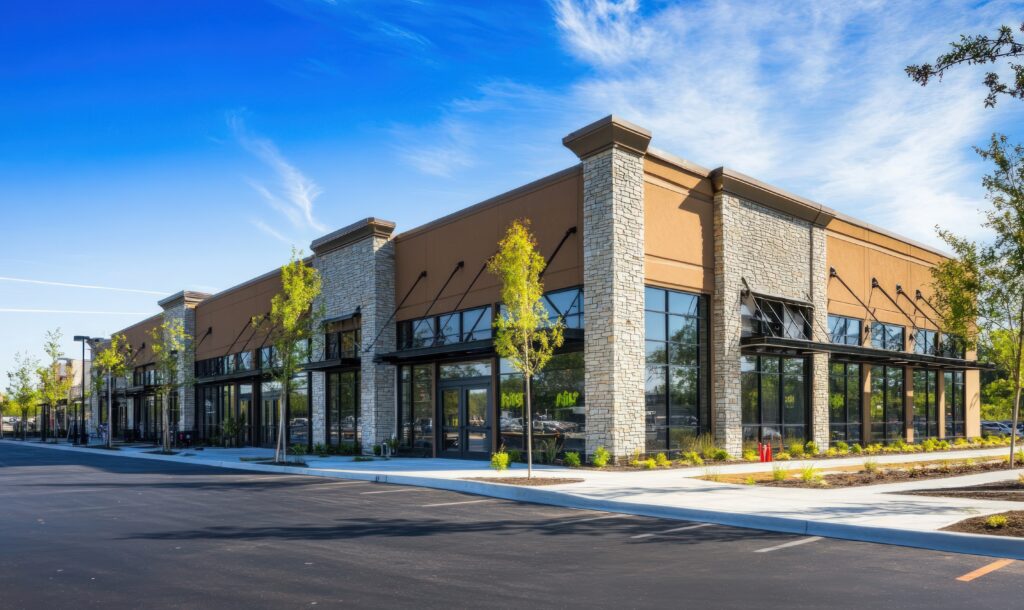
Your parking lot is more than a place to park. It is an important part of your facility’s infrastructure and often one of the first things customers, employees, tenants, and visitors experience when they arrive.
Unfortunately, asphalt pavement begins facing environmental and operational stress from the moment it is installed. Water, sunlight, heavy traffic, chemicals, vegetation, and underlying construction issues can all contribute to deterioration over time.
Understanding what causes asphalt pavement damage can help property and facility managers identify problems earlier, plan maintenance more effectively, and protect their investment.
At Connect Service Solutions, we help organizations take a proactive approach to parking lots and exterior facility maintenance through nationwide paving and facility solutions.
Water is one of the most significant contributors to asphalt pavement deterioration.
When water penetrates cracks or collects because of poor drainage, it can reach the pavement’s underlying layers and weaken the structure supporting the asphalt. Over time, this can contribute to cracking, potholes, settling, and other pavement failures.
In colder climates, freeze-thaw cycles can make the problem worse. Water enters existing cracks, freezes and expands, and can gradually widen damaged areas.
Common warning signs include:
Standing or ponding water
Cracks that continue to widen
Potholes
Depressed or uneven pavement
Deterioration near drains and curbs
Areas where water does not drain properly
Proper drainage, timely pavement repairs, and routine crack sealing can help limit water intrusion and protect the pavement structure.
Your parking lot spends every day exposed to the elements, including ultraviolet radiation from the sun.
Over time, UV exposure contributes to oxidation of the asphalt binder. As pavement oxidizes, it can lose flexibility and become more brittle, making the surface increasingly susceptible to cracking and deterioration.
Heat can add another layer of stress, particularly in areas with prolonged periods of high temperatures and direct sunlight.
Preventative maintenance such as sealcoating can provide an additional protective layer against environmental exposure while helping maintain the appearance and condition of the pavement.
Not every section of a parking lot experiences the same amount of stress.
Delivery trucks, garbage trucks, service vehicles, buses, tractor-trailers, and other heavy vehicles place significantly different demands on pavement than passenger vehicles. Repeated loading can eventually contribute to rutting, cracking, depressions, and structural pavement failure.
Certain areas are especially vulnerable, including:
Loading zones
Dumpster pads and approaches
Delivery routes
Drive lanes
Entrances and exits
Truck parking areas
High-traffic intersections
Understanding how vehicles move through a property can help facility managers identify high-stress areas and determine whether additional maintenance or structural improvements may be necessary.
Landscaping can improve the appearance of a commercial property, but vegetation can also become a pavement maintenance concern.
As tree roots grow beneath or alongside pavement, they can place pressure on the pavement structure and contribute to lifting, cracking, and uneven surfaces.
Even small weeds and plants can create problems when they begin growing inside existing pavement cracks. As vegetation grows, it can expand openings and allow additional water to enter the pavement system.
Proactive landscape management can help reduce these risks. Facility teams should watch for:
Tree roots lifting pavement or sidewalks
Vegetation growing through pavement cracks
Landscape areas encroaching on paved surfaces
Cracking near mature trees
Uneven transitions between landscaping and pavement
Addressing vegetation and pavement cracks early can help prevent minor conditions from becoming larger repair projects.
Commercial parking lots regularly encounter automotive fluids and other substances that can damage asphalt.
Oil, gasoline, diesel fuel, and similar petroleum-based products can affect the asphalt binder and cause areas of pavement to soften or deteriorate. Once weakened, these areas may become more susceptible to traffic damage, cracking, and surface failure.
Winter maintenance materials and other chemicals can also contribute to pavement deterioration, particularly when combined with existing cracks and water infiltration.
Facility teams should respond to spills quickly and follow appropriate environmental and safety procedures when hazardous substances are involved.
Visible staining, soft pavement, surface deterioration, or crumbling around frequently used parking and loading areas may indicate that chemical exposure is contributing to pavement damage.
Sometimes the problem isn’t what happens to the pavement. It is what is happening underneath it.
Proper pavement performance starts with appropriate design and installation. Inadequate base preparation, poor compaction, insufficient pavement thickness, drainage problems, or materials that are not suited to expected traffic loads can contribute to premature deterioration.
Potential signs of underlying pavement problems include:
Premature cracking
Recurring potholes
Uneven settling
Persistent drainage problems
Rutting
Depressed areas
Repeated failures in the same location
Simply repairing the surface may not solve these problems if the underlying cause remains. A professional pavement evaluation can help determine whether localized repairs, drainage improvements, resurfacing, reconstruction, or another solution is appropriate.
The best time to address pavement deterioration is often before it becomes a major repair.
A proactive parking lot maintenance strategy gives facility teams an opportunity to identify early warning signs, prioritize repairs, plan budgets, and extend the useful service life of pavement assets.
Here are several important areas to consider.
Sealcoating provides a protective surface layer that can help reduce exposure to water, sunlight, automotive fluids, and other environmental conditions.
The appropriate application schedule depends on factors such as pavement age, traffic volume, climate, existing condition, and the type of sealer being used.
Regular pavement evaluations can help determine when sealcoating should become part of your maintenance plan.
Small cracks can quickly become pathways for water.
Addressing cracks early helps limit water infiltration into the pavement structure and can slow further deterioration. Cracking should also be evaluated to determine whether it represents a surface-level maintenance issue or a deeper structural problem.
Widespread interconnected or “alligator” cracking, for example, may indicate a condition that requires more extensive repairs than crack sealing alone.
Regular inspections help facility managers identify problems while they are still manageable.
An inspection may identify:
New or expanding cracks
Potholes
Drainage problems
Faded pavement markings
Damaged curbs or concrete
ADA accessibility concerns
Surface deterioration
Trip hazards
Areas affected by heavy vehicle traffic
Documenting pavement conditions over time can also make it easier to prioritize projects and develop long-term capital plans.
Water management should be an important part of any pavement maintenance program.
Catch basins, storm drains, drainage channels, swales, and other systems should be kept clear and functioning properly. Areas where water repeatedly collects should be evaluated to determine whether repairs or drainage improvements are needed.
For larger properties, drainage and stormwater conditions should be considered alongside the overall condition of the parking lot and surrounding infrastructure.
Understanding traffic patterns can help reduce unnecessary pavement stress.
Facilities with frequent deliveries or heavy vehicles may benefit from designated truck routes, reinforced loading areas, concrete pads, or other improvements designed for higher loads.
Traffic patterns should also be considered when planning future parking lot reconstruction or facility improvements.
Trees and landscaping should be monitored as part of routine exterior facility maintenance.
Addressing vegetation growing through cracks, monitoring root-related pavement movement, and maintaining appropriate separation between landscaping and paved areas can help reduce future deterioration.
Asphalt deterioration is unavoidable, but costly surprises don’t have to be.
Understanding the factors that damage pavement—and identifying them early—can help facility managers make more informed maintenance decisions, prioritize repairs, and protect their properties for the long term.
Don’t wait for a small crack, drainage problem, or pothole to become a major facility issue.
Partner with Connect Service Solutions for proactive paving, exterior maintenance, and facility solutions designed to keep your properties safe, functional, and ready for what’s next.
Ready to evaluate your parking lot or exterior facility needs? Contact Connect Service Solutions today to learn how our nationwide network can support your properties.
This will close in 0 seconds
