
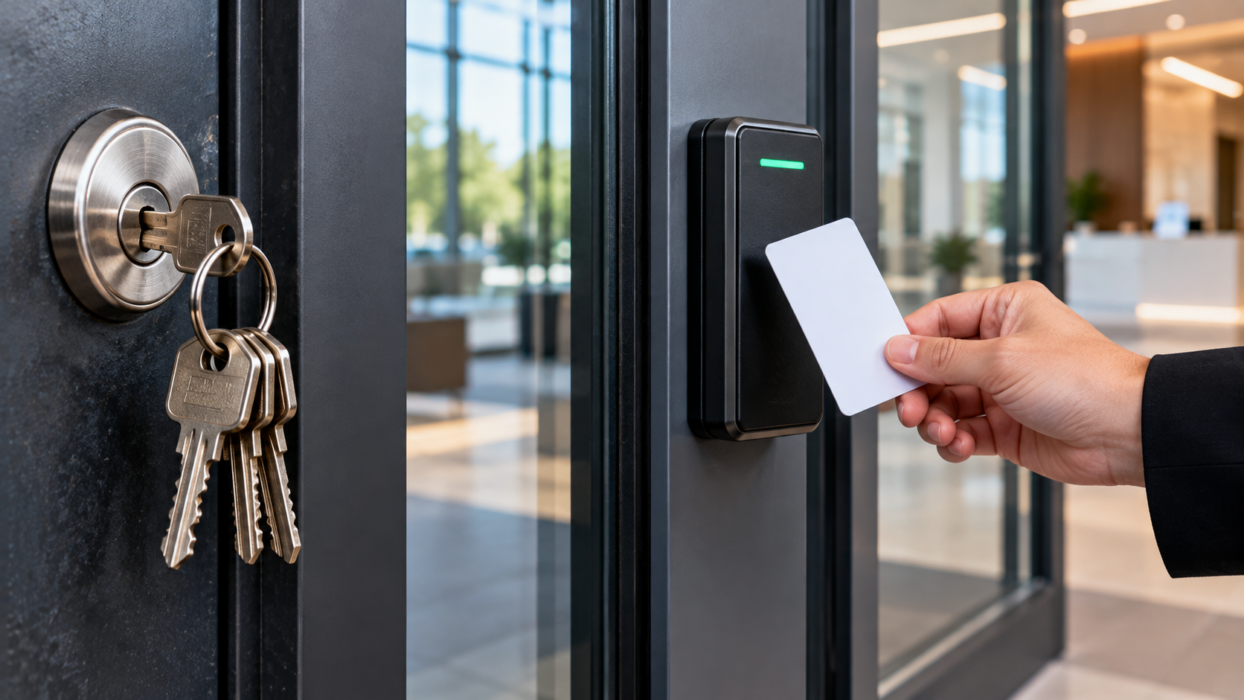
Access Control vs. Traditional Keys: A Smarter Approach to Facility Security
-
By Lauren Acklin
- In Facility Management Security Solutions
Facility Management, Security Solutions October 6, 2026 Access Control vs. Traditional Keys: A Smarter Approach to Facility Security For decades, metal keys have been the standard way to control access to commercial buildings. They are familiar, relatively inexpensive upfront, and easy to distribute. But managing keys becomes more complicated as an organization grows. Employees leave. Contractors need temporary access. Keys are lost or copied. Facilities add new locations. Sensitive areas require different levels of authorization. Eventually, what started as a simple key-and-lock system can become difficult to manage—and even harder to monitor. Electronic access control provides another approach. Badges, fobs, mobile credentials, and other electronic access technologies allow facility and security teams to manage who can enter specific areas, when they can enter, and what happens when permissions need to change. For organizations evaluating their physical security strategy, here is how traditional keys and electronic access control compare across three important areas: cost, control, and security. 1. Cost: Upfront Expense vs. Long-Term Management Traditional Keys: Simple Until Something Changes Mechanical locks typically have a lower initial cost than an electronic access control system. The challenge comes later. When a key is lost, copied, stolen, or not returned, facility teams may need to determine whether the affected lock—or potentially several locks—should be rekeyed. That can involve: Locksmith service calls Rekeying doors or lock groups Replacing keys for authorized employees Updating master-key systems Coordinating access during the transition Administrative time spent tracking and redistributing keys The larger the facility or organization, the more difficult key management can become. There is another limitation: you cannot simply deactivate a metal key. Once it leaves your control, determining where it is—or how many copies exist—can be difficult. Access Control: Greater Investment, Greater Flexibility Electronic access control generally requires a higher upfront investment because the system may include readers, controllers, electronic locking hardware, credentials, software, networking, and professional installation. The advantage is what happens after installation. If an employee loses a badge or leaves the organization, the credential can typically be disabled without changing the physical lock. Facility teams can also: Add and remove users Modify permissions Issue temporary credentials Manage access schedules Update multiple doors or locations through a centralized system For organizations with frequent personnel changes or multiple facilities, that flexibility can simplify day-to-day access management. 2. Control: Who Can Go Where—and When? Keys Control Possession A traditional key primarily answers one question: Does this person have the key? If the answer is yes, that individual can generally open the corresponding lock whenever they have physical access to it. That can make it difficult to accommodate situations where someone needs access to a space only during certain hours or for a limited period. Electronic Access Controls Permission Electronic access control changes the model from possession to permission. Depending on the system, administrators can establish access based on: Employee or department Job responsibilities Building or location Specific doors Days of the week Time of day Temporary assignments Contractor or vendor schedules For example, a vendor may be permitted to enter a mechanical area from 8:00 a.m. to 5:00 p.m. during a project without receiving the same access as a full-time facility employee. Likewise, employees can receive access to the areas required for their responsibilities without automatically receiving access to IT rooms, records storage, equipment areas, or other restricted spaces. This supports the broader security principle of least privilege: providing people with the access they need without unnecessarily expanding that access. 3. Security: From Limited Visibility to Greater Accountability Traditional Keys Provide Little Information After Entry One of the biggest limitations of a mechanical lock is what it cannot tell you. If a door is opened with the correct key, the lock itself typically does not identify: Who used the key When the door was accessed How often the space was entered Whether the key was being used by its intended holder If an incident occurs, that lack of information can make an investigation more difficult. Access Control Can Create an Activity Record Electronic access control systems can provide credential and door activity that gives security and facility teams greater visibility into building access. Depending on system configuration, administrators may be able to review information such as: Granted access attempts Denied access attempts Credential activity Door events Dates and times of activity That information can support security investigations, internal reviews, compliance requirements, and general facility management. It also creates greater accountability around sensitive spaces. 4. Credentials Can Be Matched to the Facility Access control does not mean every organization needs the same technology. Modern systems can support different credential options depending on security requirements, operations, and budget. These may include: Access cards Key fobs Mobile credentials PINs Biometric technologies Multi-factor authentication A standard office entrance, for example, may have different security requirements than a server room, pharmacy, financial records area, warehouse, or critical infrastructure space. The objective is not necessarily to install the most complex technology available. It is to select an appropriate level of security for each environment. 5. Access Can Change as Quickly as Your Organization Does Employee turnover is one of the clearest differences between keys and electronic access. With a traditional key system, an employee who leaves the organization may return the key—but facility teams still have limited visibility into whether a copy was made. With an electronic credential, access can typically be revoked as part of the offboarding process. The same flexibility can help organizations manage: New employees Employee transfers Contractors Temporary workers Vendors After-hours cleaning crews Seasonal personnel Instead of changing physical locks whenever access requirements change, administrators can update permissions within the system. For growing and multi-site organizations, this can make access management significantly easier to scale. 6. Access Control Can Be Part of a Larger Security Strategy Access control is most effective when it is not treated as an isolated system. Depending on the facility, access control may work alongside: Video surveillance Intrusion detection Intercom systems Visitor management Network infrastructure Security monitoring Emergency procedures Integrating these systems
Read More
3 Fall Weather Threats Every Facility Manager Should Prepare For
-
- In Commercial Paving Commercial Roofing Emergency Preparedness Facility Management HVAC Security Solutions
Commercial Paving, Commercial Roofing, Emergency Preparedness, Facility Management, HVAC, Security Solutions October 1, 2026 3 Fall Weather Threats Every Facility Manager Should Prepare For Fall brings cooler temperatures, changing leaves, and relief from summer heat—but it can also bring unpredictable weather that puts commercial facilities to the test. Rapid temperature changes, severe thunderstorms, late-season hurricanes, heavy rainfall, and early snow can expose vulnerabilities across your property. Roofing systems, HVAC equipment, drainage, pavement, exterior security components, and other building systems can all be affected. For facility managers and property owners, fall is an important time to evaluate your property, address outstanding maintenance needs, and prepare critical systems for the colder months ahead. At Connect Service Solutions, we believe proactive facility maintenance can help organizations identify potential problems before severe weather arrives. Here are three fall weather threats to keep on your radar. 1. Severe Thunderstorms Spring isn’t the only season associated with severe thunderstorms. Changing weather patterns during the fall can create conditions for powerful storms, bringing heavy rainfall, strong winds, lightning, and other potentially damaging weather. For commercial properties, these storms can affect multiple areas of the facility. What Should Facility Managers Inspect? Before severe fall weather arrives, check: Roofing systems for loose materials, damaged flashing, open seams, and other visible deficiencies Roof drains, gutters, and downspouts for leaves and debris that could restrict drainage Parking lot and site drainage for areas where water collects Exterior equipment and materials that could become displaced during high winds HVAC equipment for visible damage or unsecured components Exterior cameras and security equipment for secure mounting and proper operation Trees and vegetation around buildings, parking lots, and equipment Heavy rainfall can quickly expose existing drainage or roofing problems. Clearing drainage systems and addressing known maintenance issues before storms arrive can help your property manage water more effectively. After a significant storm, visually inspect the facility for new damage and document any areas that require professional attention. 2. Hurricane Season Isn’t Over Yet The arrival of fall does not mean hurricane season has ended. For facilities in hurricane-prone regions, September and October can remain important months for severe weather preparation. Tropical systems can bring damaging winds and significant rainfall to coastal communities and areas farther inland. Commercial facilities should maintain a hurricane and severe weather preparedness plan throughout the season. Review Your Storm Preparedness Plan Before a tropical system threatens your area, consider: Inspecting commercial roofing systems Clearing roof and site drainage Securing outdoor equipment and loose materials Inspecting rooftop HVAC equipment Reviewing emergency security procedures Checking backup power plans for critical systems Documenting current facility conditions Reviewing emergency vendor and service contacts Confirming employee communication procedures Take photographs or video of important building systems and exterior areas before a storm. Maintaining organized inspection reports, maintenance records, equipment information, and other documentation can make post-storm assessments easier. If severe weather does impact your facility, wait until conditions are safe before assessing the property and use qualified professionals to inspect potentially hazardous or damaged systems. 3. Early-Season Snow and Freezing Temperatures Depending on where your facilities are located, winter weather may arrive well before winter officially begins. Early-season snow can create challenges for commercial properties, particularly when temperatures fluctuate above and below freezing. Wet, heavy snow can place additional weight on roofing systems, while melting snow can create drainage problems. When temperatures fall again, that moisture can refreeze around roof drains, gutters, downspouts, pavement, and other areas. Prepare Your Facility for Freezing Conditions Fall maintenance should include checking: Roof drainage systems Gutters and downspouts Scuppers and drains Roof membranes and flashing Areas where water regularly collects Parking lots and sidewalks Exterior drainage systems HVAC and heating equipment Exterior doors and building openings Facility teams should also watch for signs of recurring ponding water or poor drainage before temperatures begin to drop. Freeze-thaw cycles can affect more than roofing systems. Water that enters cracks in asphalt or concrete can freeze and expand, potentially contributing to further pavement deterioration. Identifying cracks, drainage problems, and damaged pavement during the fall gives facility managers an opportunity to evaluate maintenance needs before winter conditions become more severe. Fall Is an Important Time for Preventive Facility Maintenance Fall provides an important transition period between summer heat and winter weather. Instead of waiting for the first major storm or freeze, use this time to conduct a broader inspection of your commercial property. A fall facility maintenance checklist may include: Commercial roof inspection Roof drain and gutter cleaning HVAC inspection and preventive maintenance Heating system checks Parking lot and pavement inspection Stormwater and drainage evaluation Security camera and access control inspection Exterior lighting checks Door and building envelope inspection Emergency preparedness review Documentation of current facility conditions For organizations managing multiple locations, using a standardized fall inspection process can help provide greater consistency across the entire portfolio. Don’t Wait for Winter to Find Facility Problems A roof leak, drainage problem, failing HVAC component, pavement crack, or damaged security device may be easier to address before winter weather arrives. A proactive fall facility inspection can help identify developing problems, prioritize necessary repairs, and give your organization a clearer picture of its maintenance needs heading into the final months of the year. It can also help facility teams distinguish between issues that require immediate attention and improvements that should be incorporated into future maintenance and capital planning. Prepare Your Facility for the Season Ahead Managing a commercial facility requires coordinating many different systems, especially when changing weather creates new challenges. Connect Service Solutions brings together specialized facility service companies to help organizations manage critical building and property systems nationwide. Our capabilities span commercial roofing, HVAC, paving and site services, security and network solutions, solar, construction, and additional facility needs. Whether you’re preparing one property or an entire portfolio for colder weather, our family of companies can help identify maintenance needs and connect you with specialized resources for the work ahead. Is your facility ready for fall and winter weather? Connect with Connect Service Solutions to
Read More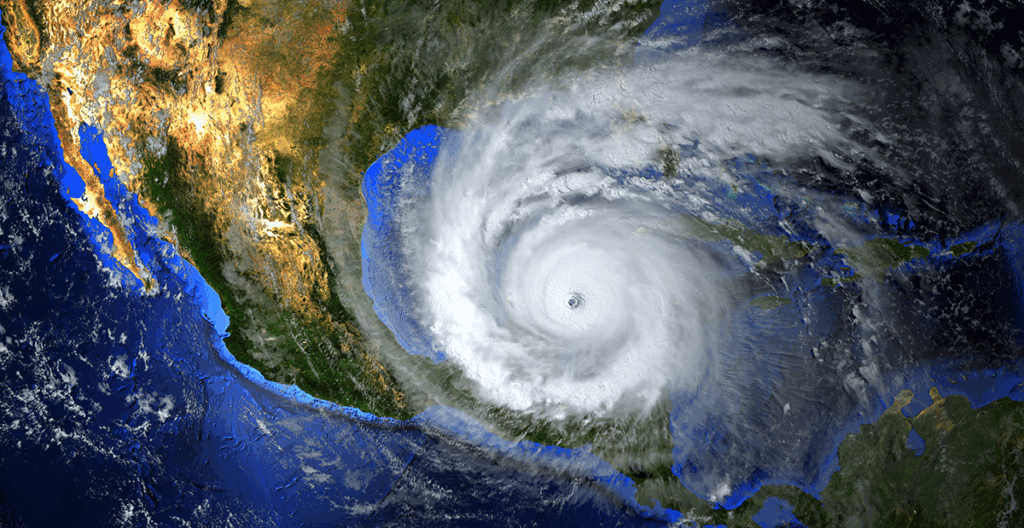
Keep Your Business Prepared For Hurricane Season and Avoid Unnecessary Storm Damage
Commercial Roofing, Facility Management, Featured October 1, 2026 Hurricane Preparedness for Commercial Facilities: 7 Steps to Protect Your Property Hurricane season can bring high winds, heavy rainfall, flooding, flying debris, and power disruptions that put commercial facilities at risk. For facility managers and property owners, preparing before severe weather arrives can help reduce damage, protect critical building systems, and minimize operational downtime. Effective hurricane preparedness for commercial facilities goes beyond the roof. Roofing systems, HVAC equipment, drainage, paved areas, security systems, and emergency procedures should all be evaluated as part of a comprehensive storm preparedness plan. At Connect Service Solutions, we understand how interconnected these systems are. Taking a proactive approach before hurricane season can help identify vulnerabilities and give facility teams time to address potential problems before a storm is approaching. Here are seven areas to include in your commercial hurricane preparedness plan. 1. Schedule a Professional Roof Inspection Your commercial roof is one of your facility’s primary defenses against severe weather, making a pre-storm roof inspection an important place to start. A professional commercial roof inspection should evaluate areas such as: Roof membrane: Check for punctures, tears, blisters, open seams, and other visible damage. Flashings and edges: Inspect perimeter edges, coping, flashings, and terminations for loose or damaged components. Roof penetrations: Evaluate areas around vents, pipes, skylights, HVAC equipment, and other penetrations. Drainage systems: Make sure roof drains, gutters, scuppers, and downspouts are clear and functioning properly. Previous repairs: Inspect previously repaired areas for signs of deterioration or new damage. Identifying roofing problems before severe weather arrives provides an opportunity to address maintenance and repair needs before the roof is subjected to heavy rain and high winds. 2. Complete Preventive Maintenance and Repairs An inspection is most valuable when identified problems are addressed. Before hurricane season, prioritize outstanding maintenance and repairs throughout your facility. For the roofing system, this could include repairing membrane damage, securing loose flashing or coping, and addressing damaged penetrations. Facility teams should also inspect other exterior building components that could be affected by severe weather. Potential maintenance items include: Repairing damaged roofing materials Securing loose flashing, coping, and exterior components Inspecting rooftop equipment and supports Evaluating doors, windows, and exterior openings Removing or securing loose outdoor materials Addressing damaged pavement or drainage areas Small maintenance issues can become larger problems when exposed to high winds and heavy rainfall, so addressing known deficiencies early is an important part of storm preparation. 3. Inspect HVAC and Rooftop Equipment Commercial HVAC equipment is another critical consideration when preparing for hurricane season, particularly when units and components are located on the roof. Facility teams should inspect rooftop HVAC equipment, curbs, supports, connections, and surrounding areas for visible problems. Before severe weather, consider: Inspecting rooftop HVAC units and mounting systems Checking equipment supports and connections Securing loose components where appropriate Clearing debris from around equipment Reviewing backup power procedures for critical systems Confirming emergency shutdown and restart procedures After a major storm, HVAC equipment should be evaluated for visible damage before normal operations resume. 4. Clear Roof and Site Drainage Systems Heavy rainfall can quickly expose drainage problems around a commercial property. Before hurricane season, inspect drainage systems throughout the facility and remove leaves, branches, trash, sediment, and other materials that could obstruct water flow. Pay particular attention to: Roof drains Gutters and downspouts Scuppers Storm drains Parking lot drainage Detention and retention areas Low areas where water frequently collects Standing water can contribute to roofing and pavement deterioration and may create additional accessibility or safety concerns around the property. Keeping drainage pathways clear helps give stormwater a place to go when heavy rainfall occurs. 5. Inspect Parking Lots and Exterior Areas Your storm preparedness plan should extend beyond the building itself. Parking lots, sidewalks, curbs, drainage areas, signage, lighting, and other exterior assets may also be affected by severe weather. Before hurricane season, walk the property and look for: Potholes or deteriorated pavement Drainage problems Standing water Damaged curbs and sidewalks Loose signage Unsecured outdoor equipment Debris that could become airborne Areas where stormwater may have difficulty draining Addressing these issues before a storm can help facility teams prepare the entire site rather than focusing only on the building. 6. Document Your Facility’s Pre-Storm Condition Good documentation provides facility teams with a clear record of property conditions before severe weather occurs. Take photographs and, when useful, video of major building systems and exterior areas, including: Roofing systems Rooftop HVAC equipment Exterior walls Doors and windows Parking lots Drainage systems Security equipment Exterior lighting Other important facility assets Keep inspection reports, maintenance records, repair documentation, equipment information, warranties, and other relevant records organized and accessible. Store copies digitally in a secure location that authorized team members can access even if the facility itself is temporarily unavailable. This information can help with post-storm assessments and may also be useful when documenting damage for insurance purposes. 7. Review Your Emergency Response Plan The days immediately following a hurricane can be just as important as the preparation beforehand. Facility managers should establish a clear response plan before severe weather occurs so employees and service providers understand what needs to happen after the storm. Your plan may include: Emergency contact information Procedures for assessing facility conditions Roofing and building inspection contacts HVAC service contacts Security procedures Utility and electrical contacts Temporary repair procedures Employee communication protocols Insurance contact information Procedures for documenting storm damage Make sure important contacts and documents are available somewhere other than the physical facility. Knowing who to call and what to do can help your organization respond more efficiently when access to the property is restored. What Should You Inspect After a Hurricane? Once authorities determine that conditions are safe and your facility can be accessed, conduct an initial assessment before returning to normal operations. Look for visible signs of: Roof or flashing damage Active water intrusion Damaged rooftop equipment Blocked drainage systems Fallen trees or debris Flooding or standing water Pavement damage Damaged security equipment Electrical hazards
Read More
One Call. Four Critical Services. Total Facility Peace of Mind.
-
- In Commercial Roofing Facility Management HVAC Security Solutions
June 9, 2026 One Call. Four Critical Services. Total Facility Peace of Mind. How Connect Service Solutions Simplifies HVAC, Paving, Security, and Commercial Roofing for Multi-Site Businesses Managing one commercial facility is challenging enough. Managing dozens or even hundreds of locations across multiple states can quickly become overwhelming. A roof leak in one city, a failing HVAC unit in another, a pothole creating liability concerns, and a security system outage across the country can leave facility managers constantly reacting instead of planning. For organizations with multiple locations, relying on fragmented local vendors often creates inconsistent service, communication breakdowns, and unnecessary operational risk. That’s why more companies are turning to Connect Service Solutions (CSS) as their trusted national facility management partner. As a leading provider of commercial HVAC, paving, security, and roofing solutions, Connect Service Solutions delivers a centralized approach that transforms facility management from a daily challenge into a streamlined, proactive strategy. Why National Facility Management Matters Every commercial property depends on four critical systems to remain safe, operational, and profitable: Commercial Roofing HVAC Systems Parking Lots and Pavement Security Infrastructure When these systems are managed independently by multiple vendors, businesses often face inconsistent service standards, delayed repairs, and limited visibility into overall facility health. Connect Service Solutions eliminates those challenges by providing a single point of contact for facility maintenance, repairs, and capital projects nationwide. Instead of coordinating dozens of contractors, facility managers gain one trusted partner dedicated to protecting their assets and supporting long-term operational goals. The Power of Integrated HVAC and Commercial Roofing Management Many facility managers view HVAC and roofing as separate responsibilities. In reality, these systems work together every day. Because most commercial HVAC equipment is installed directly on the roof, the condition of one system directly impacts the performance of the other. Poor drainage, roof deterioration, and unchecked leaks can shorten HVAC equipment life and increase energy consumption. An integrated management approach helps businesses: Prevent Costly Water Damage Routine roof inspections identify drainage issues and leaks before they impact HVAC units or interior operations. Improve Energy Efficiency Proper roof maintenance and sealing help reduce air loss, improving HVAC performance and lowering utility costs. Extend Equipment Lifespan Protecting rooftop units from standing water, debris, and roof deterioration helps maximize asset longevity. Reduce Emergency Repairs Proactive inspections catch small issues before they become major disruptions. Key preventative maintenance activities include: Clearing roof drains and drainage pathways Inspecting HVAC curb seals and flashing Removing debris around rooftop equipment Identifying early signs of roof deterioration Evaluating HVAC performance and efficiency When roofing and HVAC strategies are aligned, businesses reduce operational risk while improving facility performance and budget predictability. How Proactive Paving Protects Your Brand and Bottom Line Before customers enter your building, they experience your parking lot. Cracked pavement, potholes, and deteriorating surfaces create more than just a poor first impression they create significant liability exposure. A proactive paving strategy helps businesses: Reduce Liability Risks Well-maintained parking lots help prevent trip-and-fall accidents and vehicle damage claims. Protect Property Value Routine maintenance extends pavement life and preserves curb appeal. Lower Long-Term Costs Industry experts often reference the “1:10 Rule” every dollar spent on preventative maintenance today can save significantly more in future reconstruction costs. Maintain Brand Consistency National standards ensure every location reflects the professionalism of your organization. The typical lifecycle of neglected pavement follows a predictable pattern: Stage 1: Surface Cracking Small cracks allow water to penetrate the asphalt. Stage 2: Pothole Formation Water infiltration weakens the base, leading to potholes and surface failures. Stage 3: Major Reconstruction Without intervention, structural damage requires costly resurfacing or replacement. Connect Service Solutions helps organizations stay ahead of pavement deterioration through nationwide maintenance programs, inspections, repairs, and resurfacing solutions. National Security Solutions for Modern Businesses Today’s commercial security challenges extend far beyond locks and alarms. Multi-location businesses require a unified security strategy that protects employees, customers, assets, and operations across every facility. Managing different security vendors at every location often results in inconsistent systems, varying response protocols, and limited visibility. Connect Service Solutions provides comprehensive security management solutions that deliver: Standardized Security Infrastructure Consistent equipment, installation standards, and service protocols nationwide. Remote Monitoring Capabilities Real-time visibility across all locations from a centralized platform. Faster Response Times Coordinated support and service when security incidents occur. Improved Loss Prevention Integrated systems help identify vulnerabilities before they become costly problems. Whether managing retail locations, industrial facilities, office properties, or distribution centers, CSS helps organizations create safer and more secure environments through scalable national security solutions. Your Roadmap to Smarter Facility Management Building a resilient facility management strategy starts with taking a proactive approach. Connect Service Solutions recommends the following steps: 1. Conduct a Facility Assessment Identify current maintenance gaps, deferred repairs, and operational risks. 2. Evaluate Vendor Complexity Calculate the time and resources spent managing multiple contractors. 3. Implement Preventative Maintenance Programs Reduce emergencies and extend the life of critical assets. 4. Standardize Service Across Locations Establish consistent maintenance and quality standards nationwide. 5. Partner with a National Facility Management Expert Leverage a single source for HVAC, paving, security, and commercial roofing services. Partner with Connect Service Solutions At Connect Service Solutions, we help organizations simplify facility management through integrated national service solutions for commercial HVAC, paving, security, and roofing. By consolidating critical facility services under one trusted partner, businesses gain greater control, improved efficiency, and long-term peace of mind. One call. One partner. Nationwide coverage. Ready to simplify facility management across your portfolio? Contact Connect Service Solutions today to learn how our national facility management solutions can help protect your properties, reduce costs, and support your growth. Connect With Us 877-942-5613information@connectservicesolutions.com Recent Articles
Read More