- 877-942-5613
- information@connectservicesolutions.com
- 44 Grant 65, Sheridan, AR 72150
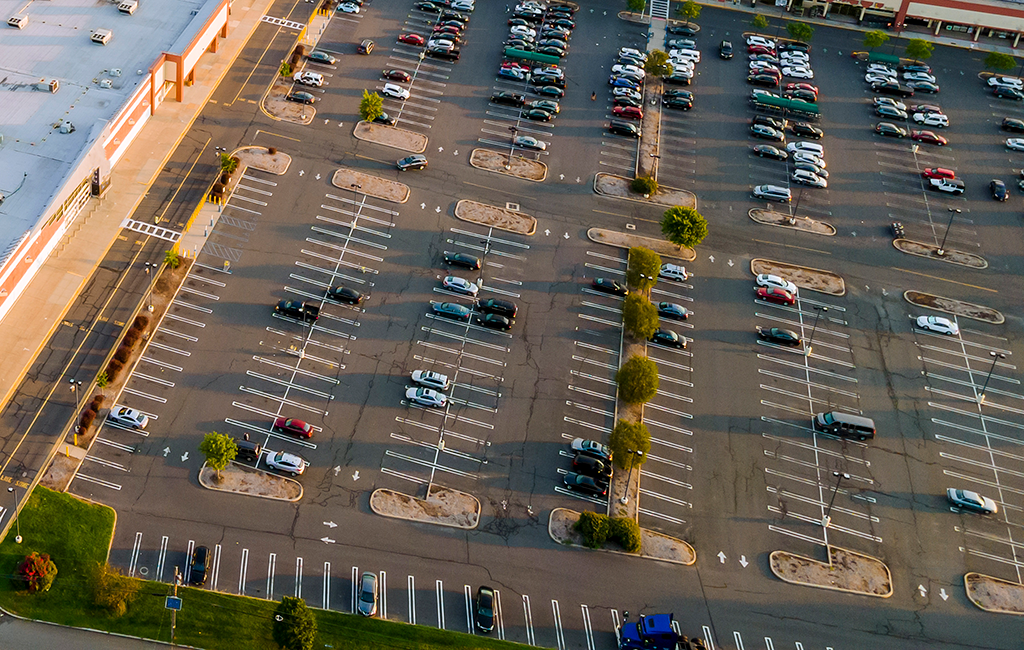
Your parking lot is one of the first things customers, employees, tenants, and visitors experience when they arrive at your property. Keeping it in good condition is about more than appearance—it can help protect your pavement investment, improve accessibility, and create a safer environment for vehicles and pedestrians.
Weather, vehicle traffic, drainage issues, oil and chemical exposure, and everyday wear can gradually deteriorate asphalt and concrete surfaces. Without a proactive parking lot maintenance plan, small issues such as cracks or faded markings can develop into larger, more costly repairs.
At Connect Service Solutions, we help facility managers and property owners take a proactive approach to maintaining their properties. Here are five important steps to consider when developing a commercial parking lot maintenance plan.
Routine visual inspections are one of the simplest ways to identify pavement problems before they become more significant.
Walk your parking lot periodically and document areas that show signs of deterioration. Inspections are especially important following severe weather, including heavy rain, extreme heat, freezing temperatures, snow, and ice.
During a parking lot inspection, watch for:
Cracks in asphalt or concrete
Potholes or depressions
Loose or crumbling pavement
Standing water
Drainage problems
Uneven pavement
Damaged curbs or sidewalks
Faded pavement markings
Areas showing unusual wear
Taking photos and documenting problem areas can also help you track pavement conditions over time.
If you are unsure about the condition of your parking lot, a professional pavement assessment can help identify current concerns and prioritize potential maintenance or repairs.
Routine cleaning plays an important role in commercial parking lot maintenance.
Dirt, leaves, trash, rocks, and other debris can accumulate across pavement and around drainage systems. When drains become obstructed, water may remain on the pavement instead of flowing away from the property.
Standing water can contribute to pavement deterioration, especially when moisture enters existing cracks or damaged areas.
Regular parking lot maintenance should include:
Sweeping pavement and pedestrian areas
Removing trash and debris
Keeping drains and drainage channels clear
Addressing oil, fuel, and chemical spills
Monitoring areas where water frequently collects
A clean parking lot also creates a more professional appearance and makes it easier for facility teams to spot cracks, pavement damage, and other developing issues.
Clear pavement markings help organize traffic, define parking spaces, identify pedestrian areas, and communicate important accessibility and safety information.
Over time, sunlight, traffic, weather, and routine use can cause parking lot striping to fade.
Facility managers should periodically evaluate:
Parking space lines
Accessible parking spaces
Fire lanes
Directional arrows
Crosswalks
Loading zones
No-parking areas
Curbs and other designated markings
Restriping your parking lot when markings become difficult to see can improve the appearance and functionality of the property while helping drivers and pedestrians navigate the facility more clearly.
When planning a restriping project, it is also an opportunity to review the overall parking lot layout and identify areas that may need pavement repair or accessibility improvements.
Small pavement problems generally become more difficult to manage when they are left unaddressed.
Cracks can allow water to penetrate beneath the pavement surface, potentially contributing to additional deterioration. Potholes and failed pavement can also expand as they are exposed to traffic and changing weather conditions.
Depending on pavement condition, a maintenance plan may include:
Crack sealing
Asphalt patching
Pothole repair
Concrete repair
Sealcoating
Drainage improvements
Larger pavement rehabilitation
Sealcoating creates a protective layer over asphalt pavement and can help reduce exposure to sunlight, water, oil, and other environmental conditions while refreshing the pavement’s appearance.
However, sealcoating is not a replacement for structural pavement repairs. Existing cracks, potholes, drainage problems, and failed areas should be properly evaluated and addressed as part of the overall maintenance strategy.
The appropriate maintenance schedule will depend on pavement condition, traffic, climate, drainage, and the specific needs of your property.
Some commercial properties may also benefit from specialized pavement coating systems.
StreetBond pavement coatings, for example, can be applied to asphalt and concrete surfaces to provide a durable decorative finish while supporting the overall pavement system.
These coatings can be useful for areas where facility owners want to combine pavement performance with enhanced appearance or clearly designated spaces.
Potential applications can include:
Parking areas
Pedestrian zones
Crosswalks
Entry areas
Traffic-calming features
Branded or decorative pavement areas
The appropriate pavement coating or surface treatment will depend on the existing pavement condition, intended use, traffic levels, and project goals.
Waiting until pavement is severely deteriorated can limit your maintenance options.
A proactive commercial parking lot maintenance plan allows facility managers to identify issues earlier, prioritize repairs, and plan pavement projects around budgets and operational schedules.
Preventive maintenance can also help you develop a clearer understanding of your pavement assets across a single property or an entire portfolio.
Instead of reacting to individual potholes or cracks as they appear, a long-term pavement strategy can address:
Current repair needs
Preventive maintenance
Drainage concerns
ADA and accessibility considerations
Pavement markings
Future resurfacing or replacement
Capital planning and budgeting
This approach helps turn parking lot maintenance from a reactive expense into a planned component of overall facility management.
Every parking lot is different. Age, traffic, climate, pavement type, drainage, previous repairs, and property use can all affect how quickly pavement deteriorates and which maintenance solutions make sense.
A professional parking lot assessment can provide a clearer picture of current pavement conditions and help facility teams prioritize immediate repairs, preventive maintenance, and long-term improvements.
At Connect Service Solutions, our family of companies provides comprehensive solutions for commercial facilities nationwide. Through our specialized paving capabilities, we can support asphalt and concrete paving, pavement repairs, crack sealing, sealcoating, ADA-related improvements, drainage and site work, and other parking lot solutions.
And because parking lots are only one part of a facility, Connect Service Solutions can help organizations address needs across paving, roofing, HVAC, security, solar, construction, and other critical facility systems.
Ready to take a more proactive approach to your parking lot? Connect with Connect Service Solutions to assess your pavement and develop a maintenance strategy built around your facility’s needs.
This will close in 0 seconds
