
3 Fall Weather Threats Every Facility Manager Should Prepare For
-
By Lauren Acklin
- In Commercial Paving Commercial Roofing Emergency Preparedness Facility Management HVAC Security Solutions
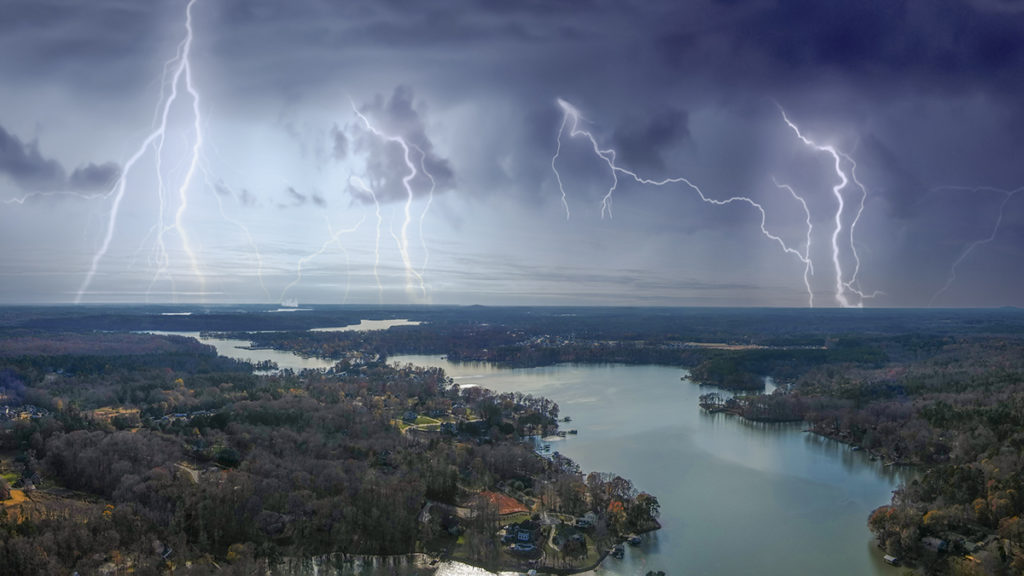
Commercial Paving, Commercial Roofing, Emergency Preparedness, Facility Management, HVAC, Security Solutions October 1, 2026 3 Fall Weather Threats Every Facility Manager Should Prepare For Fall brings cooler temperatures, changing leaves, and relief from summer heat—but it can also bring unpredictable weather that puts commercial facilities to the test. Rapid temperature changes, severe thunderstorms, late-season hurricanes, heavy rainfall, and early snow can expose vulnerabilities across your property. Roofing systems, HVAC equipment, drainage, pavement, exterior security components, and other building systems can all be affected. For facility managers and property owners, fall is an important time to evaluate your property, address outstanding maintenance needs, and prepare critical systems for the colder months ahead. At Connect Service Solutions, we believe proactive facility maintenance can help organizations identify potential problems before severe weather arrives. Here are three fall weather threats to keep on your radar. 1. Severe Thunderstorms Spring isn’t the only season associated with severe thunderstorms. Changing weather patterns during the fall can create conditions for powerful storms, bringing heavy rainfall, strong winds, lightning, and other potentially damaging weather. For commercial properties, these storms can affect multiple areas of the facility. What Should Facility Managers Inspect? Before severe fall weather arrives, check: Roofing systems for loose materials, damaged flashing, open seams, and other visible deficiencies Roof drains, gutters, and downspouts for leaves and debris that could restrict drainage Parking lot and site drainage for areas where water collects Exterior equipment and materials that could become displaced during high winds HVAC equipment for visible damage or unsecured components Exterior cameras and security equipment for secure mounting and proper operation Trees and vegetation around buildings, parking lots, and equipment Heavy rainfall can quickly expose existing drainage or roofing problems. Clearing drainage systems and addressing known maintenance issues before storms arrive can help your property manage water more effectively. After a significant storm, visually inspect the facility for new damage and document any areas that require professional attention. 2. Hurricane Season Isn’t Over Yet The arrival of fall does not mean hurricane season has ended. For facilities in hurricane-prone regions, September and October can remain important months for severe weather preparation. Tropical systems can bring damaging winds and significant rainfall to coastal communities and areas farther inland. Commercial facilities should maintain a hurricane and severe weather preparedness plan throughout the season. Review Your Storm Preparedness Plan Before a tropical system threatens your area, consider: Inspecting commercial roofing systems Clearing roof and site drainage Securing outdoor equipment and loose materials Inspecting rooftop HVAC equipment Reviewing emergency security procedures Checking backup power plans for critical systems Documenting current facility conditions Reviewing emergency vendor and service contacts Confirming employee communication procedures Take photographs or video of important building systems and exterior areas before a storm. Maintaining organized inspection reports, maintenance records, equipment information, and other documentation can make post-storm assessments easier. If severe weather does impact your facility, wait until conditions are safe before assessing the property and use qualified professionals to inspect potentially hazardous or damaged systems. 3. Early-Season Snow and Freezing Temperatures Depending on where your facilities are located, winter weather may arrive well before winter officially begins. Early-season snow can create challenges for commercial properties, particularly when temperatures fluctuate above and below freezing. Wet, heavy snow can place additional weight on roofing systems, while melting snow can create drainage problems. When temperatures fall again, that moisture can refreeze around roof drains, gutters, downspouts, pavement, and other areas. Prepare Your Facility for Freezing Conditions Fall maintenance should include checking: Roof drainage systems Gutters and downspouts Scuppers and drains Roof membranes and flashing Areas where water regularly collects Parking lots and sidewalks Exterior drainage systems HVAC and heating equipment Exterior doors and building openings Facility teams should also watch for signs of recurring ponding water or poor drainage before temperatures begin to drop. Freeze-thaw cycles can affect more than roofing systems. Water that enters cracks in asphalt or concrete can freeze and expand, potentially contributing to further pavement deterioration. Identifying cracks, drainage problems, and damaged pavement during the fall gives facility managers an opportunity to evaluate maintenance needs before winter conditions become more severe. Fall Is an Important Time for Preventive Facility Maintenance Fall provides an important transition period between summer heat and winter weather. Instead of waiting for the first major storm or freeze, use this time to conduct a broader inspection of your commercial property. A fall facility maintenance checklist may include: Commercial roof inspection Roof drain and gutter cleaning HVAC inspection and preventive maintenance Heating system checks Parking lot and pavement inspection Stormwater and drainage evaluation Security camera and access control inspection Exterior lighting checks Door and building envelope inspection Emergency preparedness review Documentation of current facility conditions For organizations managing multiple locations, using a standardized fall inspection process can help provide greater consistency across the entire portfolio. Don’t Wait for Winter to Find Facility Problems A roof leak, drainage problem, failing HVAC component, pavement crack, or damaged security device may be easier to address before winter weather arrives. A proactive fall facility inspection can help identify developing problems, prioritize necessary repairs, and give your organization a clearer picture of its maintenance needs heading into the final months of the year. It can also help facility teams distinguish between issues that require immediate attention and improvements that should be incorporated into future maintenance and capital planning. Prepare Your Facility for the Season Ahead Managing a commercial facility requires coordinating many different systems, especially when changing weather creates new challenges. Connect Service Solutions brings together specialized facility service companies to help organizations manage critical building and property systems nationwide. Our capabilities span commercial roofing, HVAC, paving and site services, security and network solutions, solar, construction, and additional facility needs. Whether you’re preparing one property or an entire portfolio for colder weather, our family of companies can help identify maintenance needs and connect you with specialized resources for the work ahead. Is your facility ready for fall and winter weather? Connect with Connect Service Solutions to
Read More