
7 Warning Signs of a Commercial Roof Leak: A Facility Manager’s Guide
-
By Lauren Acklin
- In Commercial Roofing Facility Management
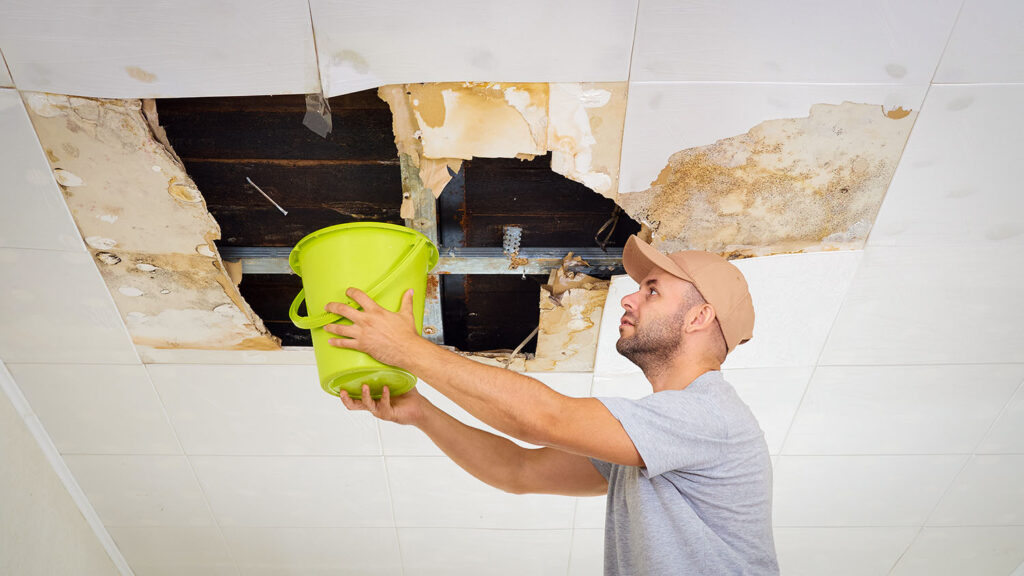
Commercial Roofing, Facility Management, Featured October 1, 2026 7 Warning Signs of a Commercial Roof Leak: A Facility Manager’s Guide A commercial roof leak can quickly turn from a minor maintenance issue into a costly facility problem. Water intrusion can damage building materials, disrupt operations, affect equipment, and create potential safety concerns for employees and visitors. For facility managers and property owners, knowing how to recognize the early warning signs of a leaking commercial roof is an important part of protecting the building and avoiding more extensive repairs. At Connect Service Solutions, we understand that maintaining a facility requires looking at the entire building—not just one system. Recognizing potential roof problems early and taking the appropriate next steps can help minimize damage, protect operations, and extend the service life of your facility. Here are seven common signs that could indicate your commercial roof is leaking. 1. Water Stains on Ceilings or Walls One of the most recognizable signs of a commercial roof leak is discoloration on ceilings, walls, or ceiling tiles. Brown, yellow, or rust-colored stains may indicate that water has entered the roofing system and traveled into the building. Because water can move along roof decks, structural components, pipes, and other building materials before becoming visible, the location of a stain does not always identify the source of the leak. Areas to Inspect Pay particular attention to: Areas directly beneath the roof Corners where walls and ceilings meet Ceiling tiles and suspended ceiling systems Areas surrounding HVAC units Roof penetrations, pipes, vents, and equipment Previous leak or repair locations If you notice water stains, document their location and appearance. Photos can help maintenance teams track whether the affected area is changing over time and provide valuable information during a professional commercial roof inspection. 2. Standing Water or Active Dripping Inside the Facility Active dripping or water pooling inside a building is a clear indication that water intrusion needs immediate attention. Commercial roofing systems can be complex, and the point where water appears inside the facility may be several feet—or even farther—from the actual source of the roof leak. Water can travel along structural components, insulation, decking, and mechanical systems before reaching an interior space. This can make commercial roof leak detection difficult without a thorough inspection. What to Do If active water intrusion is discovered: Protect people and equipment in the affected area Move valuable materials when it is safe to do so Use containers to collect dripping water Mark or document affected areas Contact a qualified commercial roofing professional Prompt action can help reduce interior damage and minimize disruption to your facility. 3. Persistent Musty or Damp Odors Not every commercial roof leak produces visible water immediately. A persistent musty or damp smell can indicate moisture trapped above ceilings, inside walls, or within the roofing and insulation systems. Because commercial roofs often contain multiple layers of insulation and other materials, moisture may remain hidden for an extended period before visible damage appears. Areas Where Hidden Moisture May Develop Check: Storage rooms Mechanical and utility spaces Areas above suspended ceilings Spaces with limited ventilation Areas surrounding rooftop HVAC equipment Locations with a history of water intrusion If an unexplained odor persists, a professional roof and moisture assessment may help determine whether hidden water intrusion is contributing to the problem. 4. Unusual Exterior Growth or Moisture Patterns Signs of a roof problem are not always found inside the building. Unusual concentrations of moss, mildew, algae, or vegetation around exterior walls, drainage systems, or rooflines may indicate areas where moisture is consistently collecting. Facility teams should pay close attention to: Gutters and downspouts Roof drains Scuppers Drainage outlets Exterior walls near rooflines Areas with concentrated vegetation or mildew Locations where water does not drain properly These conditions do not automatically mean the roof is leaking, but they can indicate drainage or moisture problems that warrant further inspection. Routine exterior inspections can help identify potential commercial roofing issues before they result in interior water damage. 5. Unexpected Changes in Energy Costs An increase in heating or cooling costs may have several causes, but roof-related moisture is one possibility that facility managers should consider. When water enters a roofing system and saturates insulation, the insulation may become less effective. That can make it more difficult for the building to maintain consistent indoor temperatures and may cause HVAC systems to work harder. Potential indicators include: Unexplained increases in utility costs Difficulty maintaining consistent temperatures Hot or cold areas within the facility Wet or damaged roof insulation Changes in HVAC runtime or performance Energy performance alone cannot confirm a roof leak. However, when higher utility costs occur alongside other signs of roof water damage, a commercial roof inspection may be appropriate. 6. Electrical Problems Near Areas of Water Intrusion Water and electrical systems can create serious safety hazards. If electrical issues occur near an area where a commercial roof leak is suspected, the situation should be treated carefully and addressed by qualified professionals. Warning signs may include: Flickering lights Repeatedly tripped breakers Equipment malfunctions Unusual electrical odors or sounds Visible water near electrical equipment, outlets, or wiring Do not attempt to investigate electrical components exposed to water unless you are trained and authorized to do so. Restrict access to the affected area and contact the appropriate electrical and roofing professionals to evaluate the situation safely. 7. Deteriorating Building Materials Visible deterioration of interior building materials can indicate that water intrusion has been occurring for some time. Common examples include: Sagging ceiling tiles Peeling or bubbling paint Warped wall panels Damaged drywall Deteriorating insulation Stained or damaged flooring Corrosion on metal components These conditions may indicate that moisture has moved beyond the roof assembly and begun affecting other parts of the facility. The longer water intrusion continues, the greater the potential for damage to roofing components, insulation, interior finishes, equipment, and other building systems. What Should You Do When You Find a Commercial Roof Leak? Finding a leak is only the first step. A clear
Read More
One Call. Four Critical Services. Total Facility Peace of Mind.
-
- In Commercial Roofing Facility Management HVAC Security Solutions
June 9, 2026 One Call. Four Critical Services. Total Facility Peace of Mind. How Connect Service Solutions Simplifies HVAC, Paving, Security, and Commercial Roofing for Multi-Site Businesses Managing one commercial facility is challenging enough. Managing dozens or even hundreds of locations across multiple states can quickly become overwhelming. A roof leak in one city, a failing HVAC unit in another, a pothole creating liability concerns, and a security system outage across the country can leave facility managers constantly reacting instead of planning. For organizations with multiple locations, relying on fragmented local vendors often creates inconsistent service, communication breakdowns, and unnecessary operational risk. That’s why more companies are turning to Connect Service Solutions (CSS) as their trusted national facility management partner. As a leading provider of commercial HVAC, paving, security, and roofing solutions, Connect Service Solutions delivers a centralized approach that transforms facility management from a daily challenge into a streamlined, proactive strategy. Why National Facility Management Matters Every commercial property depends on four critical systems to remain safe, operational, and profitable: Commercial Roofing HVAC Systems Parking Lots and Pavement Security Infrastructure When these systems are managed independently by multiple vendors, businesses often face inconsistent service standards, delayed repairs, and limited visibility into overall facility health. Connect Service Solutions eliminates those challenges by providing a single point of contact for facility maintenance, repairs, and capital projects nationwide. Instead of coordinating dozens of contractors, facility managers gain one trusted partner dedicated to protecting their assets and supporting long-term operational goals. The Power of Integrated HVAC and Commercial Roofing Management Many facility managers view HVAC and roofing as separate responsibilities. In reality, these systems work together every day. Because most commercial HVAC equipment is installed directly on the roof, the condition of one system directly impacts the performance of the other. Poor drainage, roof deterioration, and unchecked leaks can shorten HVAC equipment life and increase energy consumption. An integrated management approach helps businesses: Prevent Costly Water Damage Routine roof inspections identify drainage issues and leaks before they impact HVAC units or interior operations. Improve Energy Efficiency Proper roof maintenance and sealing help reduce air loss, improving HVAC performance and lowering utility costs. Extend Equipment Lifespan Protecting rooftop units from standing water, debris, and roof deterioration helps maximize asset longevity. Reduce Emergency Repairs Proactive inspections catch small issues before they become major disruptions. Key preventative maintenance activities include: Clearing roof drains and drainage pathways Inspecting HVAC curb seals and flashing Removing debris around rooftop equipment Identifying early signs of roof deterioration Evaluating HVAC performance and efficiency When roofing and HVAC strategies are aligned, businesses reduce operational risk while improving facility performance and budget predictability. How Proactive Paving Protects Your Brand and Bottom Line Before customers enter your building, they experience your parking lot. Cracked pavement, potholes, and deteriorating surfaces create more than just a poor first impression they create significant liability exposure. A proactive paving strategy helps businesses: Reduce Liability Risks Well-maintained parking lots help prevent trip-and-fall accidents and vehicle damage claims. Protect Property Value Routine maintenance extends pavement life and preserves curb appeal. Lower Long-Term Costs Industry experts often reference the “1:10 Rule” every dollar spent on preventative maintenance today can save significantly more in future reconstruction costs. Maintain Brand Consistency National standards ensure every location reflects the professionalism of your organization. The typical lifecycle of neglected pavement follows a predictable pattern: Stage 1: Surface Cracking Small cracks allow water to penetrate the asphalt. Stage 2: Pothole Formation Water infiltration weakens the base, leading to potholes and surface failures. Stage 3: Major Reconstruction Without intervention, structural damage requires costly resurfacing or replacement. Connect Service Solutions helps organizations stay ahead of pavement deterioration through nationwide maintenance programs, inspections, repairs, and resurfacing solutions. National Security Solutions for Modern Businesses Today’s commercial security challenges extend far beyond locks and alarms. Multi-location businesses require a unified security strategy that protects employees, customers, assets, and operations across every facility. Managing different security vendors at every location often results in inconsistent systems, varying response protocols, and limited visibility. Connect Service Solutions provides comprehensive security management solutions that deliver: Standardized Security Infrastructure Consistent equipment, installation standards, and service protocols nationwide. Remote Monitoring Capabilities Real-time visibility across all locations from a centralized platform. Faster Response Times Coordinated support and service when security incidents occur. Improved Loss Prevention Integrated systems help identify vulnerabilities before they become costly problems. Whether managing retail locations, industrial facilities, office properties, or distribution centers, CSS helps organizations create safer and more secure environments through scalable national security solutions. Your Roadmap to Smarter Facility Management Building a resilient facility management strategy starts with taking a proactive approach. Connect Service Solutions recommends the following steps: 1. Conduct a Facility Assessment Identify current maintenance gaps, deferred repairs, and operational risks. 2. Evaluate Vendor Complexity Calculate the time and resources spent managing multiple contractors. 3. Implement Preventative Maintenance Programs Reduce emergencies and extend the life of critical assets. 4. Standardize Service Across Locations Establish consistent maintenance and quality standards nationwide. 5. Partner with a National Facility Management Expert Leverage a single source for HVAC, paving, security, and commercial roofing services. Partner with Connect Service Solutions At Connect Service Solutions, we help organizations simplify facility management through integrated national service solutions for commercial HVAC, paving, security, and roofing. By consolidating critical facility services under one trusted partner, businesses gain greater control, improved efficiency, and long-term peace of mind. One call. One partner. Nationwide coverage. Ready to simplify facility management across your portfolio? Contact Connect Service Solutions today to learn how our national facility management solutions can help protect your properties, reduce costs, and support your growth. Connect With Us 877-942-5613information@connectservicesolutions.com Recent Articles
Read More