
3 Fall Weather Threats Every Facility Manager Should Prepare For
-
By Lauren Acklin
- In Commercial Paving Commercial Roofing Emergency Preparedness Facility Management HVAC Security Solutions
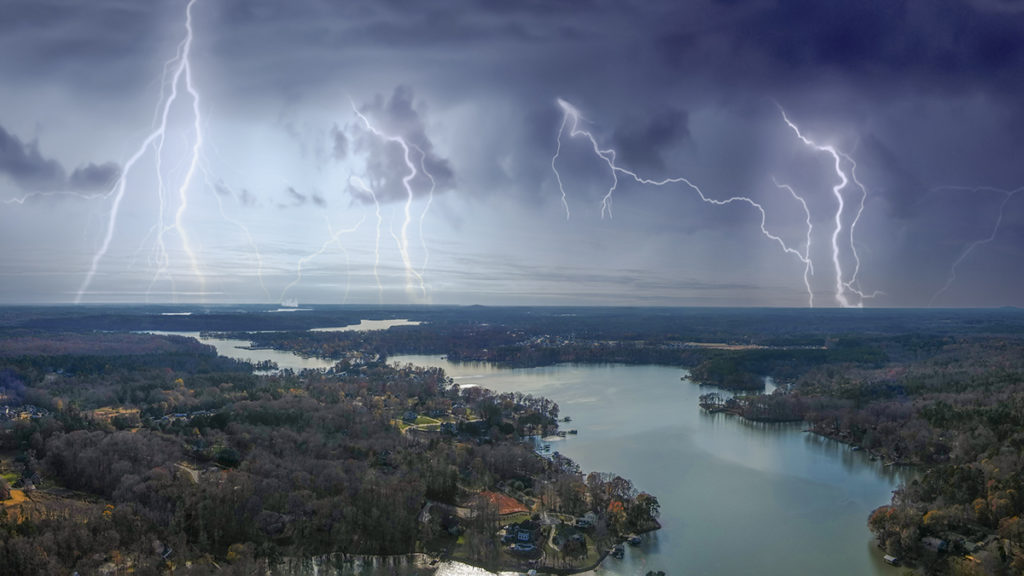
Commercial Paving, Commercial Roofing, Emergency Preparedness, Facility Management, HVAC, Security Solutions October 1, 2026 3 Fall Weather Threats Every Facility Manager Should Prepare For Fall brings cooler temperatures, changing leaves, and relief from summer heat—but it can also bring unpredictable weather that puts commercial facilities to the test. Rapid temperature changes, severe thunderstorms, late-season hurricanes, heavy rainfall, and early snow can expose vulnerabilities across your property. Roofing systems, HVAC equipment, drainage, pavement, exterior security components, and other building systems can all be affected. For facility managers and property owners, fall is an important time to evaluate your property, address outstanding maintenance needs, and prepare critical systems for the colder months ahead. At Connect Service Solutions, we believe proactive facility maintenance can help organizations identify potential problems before severe weather arrives. Here are three fall weather threats to keep on your radar. 1. Severe Thunderstorms Spring isn’t the only season associated with severe thunderstorms. Changing weather patterns during the fall can create conditions for powerful storms, bringing heavy rainfall, strong winds, lightning, and other potentially damaging weather. For commercial properties, these storms can affect multiple areas of the facility. What Should Facility Managers Inspect? Before severe fall weather arrives, check: Roofing systems for loose materials, damaged flashing, open seams, and other visible deficiencies Roof drains, gutters, and downspouts for leaves and debris that could restrict drainage Parking lot and site drainage for areas where water collects Exterior equipment and materials that could become displaced during high winds HVAC equipment for visible damage or unsecured components Exterior cameras and security equipment for secure mounting and proper operation Trees and vegetation around buildings, parking lots, and equipment Heavy rainfall can quickly expose existing drainage or roofing problems. Clearing drainage systems and addressing known maintenance issues before storms arrive can help your property manage water more effectively. After a significant storm, visually inspect the facility for new damage and document any areas that require professional attention. 2. Hurricane Season Isn’t Over Yet The arrival of fall does not mean hurricane season has ended. For facilities in hurricane-prone regions, September and October can remain important months for severe weather preparation. Tropical systems can bring damaging winds and significant rainfall to coastal communities and areas farther inland. Commercial facilities should maintain a hurricane and severe weather preparedness plan throughout the season. Review Your Storm Preparedness Plan Before a tropical system threatens your area, consider: Inspecting commercial roofing systems Clearing roof and site drainage Securing outdoor equipment and loose materials Inspecting rooftop HVAC equipment Reviewing emergency security procedures Checking backup power plans for critical systems Documenting current facility conditions Reviewing emergency vendor and service contacts Confirming employee communication procedures Take photographs or video of important building systems and exterior areas before a storm. Maintaining organized inspection reports, maintenance records, equipment information, and other documentation can make post-storm assessments easier. If severe weather does impact your facility, wait until conditions are safe before assessing the property and use qualified professionals to inspect potentially hazardous or damaged systems. 3. Early-Season Snow and Freezing Temperatures Depending on where your facilities are located, winter weather may arrive well before winter officially begins. Early-season snow can create challenges for commercial properties, particularly when temperatures fluctuate above and below freezing. Wet, heavy snow can place additional weight on roofing systems, while melting snow can create drainage problems. When temperatures fall again, that moisture can refreeze around roof drains, gutters, downspouts, pavement, and other areas. Prepare Your Facility for Freezing Conditions Fall maintenance should include checking: Roof drainage systems Gutters and downspouts Scuppers and drains Roof membranes and flashing Areas where water regularly collects Parking lots and sidewalks Exterior drainage systems HVAC and heating equipment Exterior doors and building openings Facility teams should also watch for signs of recurring ponding water or poor drainage before temperatures begin to drop. Freeze-thaw cycles can affect more than roofing systems. Water that enters cracks in asphalt or concrete can freeze and expand, potentially contributing to further pavement deterioration. Identifying cracks, drainage problems, and damaged pavement during the fall gives facility managers an opportunity to evaluate maintenance needs before winter conditions become more severe. Fall Is an Important Time for Preventive Facility Maintenance Fall provides an important transition period between summer heat and winter weather. Instead of waiting for the first major storm or freeze, use this time to conduct a broader inspection of your commercial property. A fall facility maintenance checklist may include: Commercial roof inspection Roof drain and gutter cleaning HVAC inspection and preventive maintenance Heating system checks Parking lot and pavement inspection Stormwater and drainage evaluation Security camera and access control inspection Exterior lighting checks Door and building envelope inspection Emergency preparedness review Documentation of current facility conditions For organizations managing multiple locations, using a standardized fall inspection process can help provide greater consistency across the entire portfolio. Don’t Wait for Winter to Find Facility Problems A roof leak, drainage problem, failing HVAC component, pavement crack, or damaged security device may be easier to address before winter weather arrives. A proactive fall facility inspection can help identify developing problems, prioritize necessary repairs, and give your organization a clearer picture of its maintenance needs heading into the final months of the year. It can also help facility teams distinguish between issues that require immediate attention and improvements that should be incorporated into future maintenance and capital planning. Prepare Your Facility for the Season Ahead Managing a commercial facility requires coordinating many different systems, especially when changing weather creates new challenges. Connect Service Solutions brings together specialized facility service companies to help organizations manage critical building and property systems nationwide. Our capabilities span commercial roofing, HVAC, paving and site services, security and network solutions, solar, construction, and additional facility needs. Whether you’re preparing one property or an entire portfolio for colder weather, our family of companies can help identify maintenance needs and connect you with specialized resources for the work ahead. Is your facility ready for fall and winter weather? Connect with Connect Service Solutions to
Read More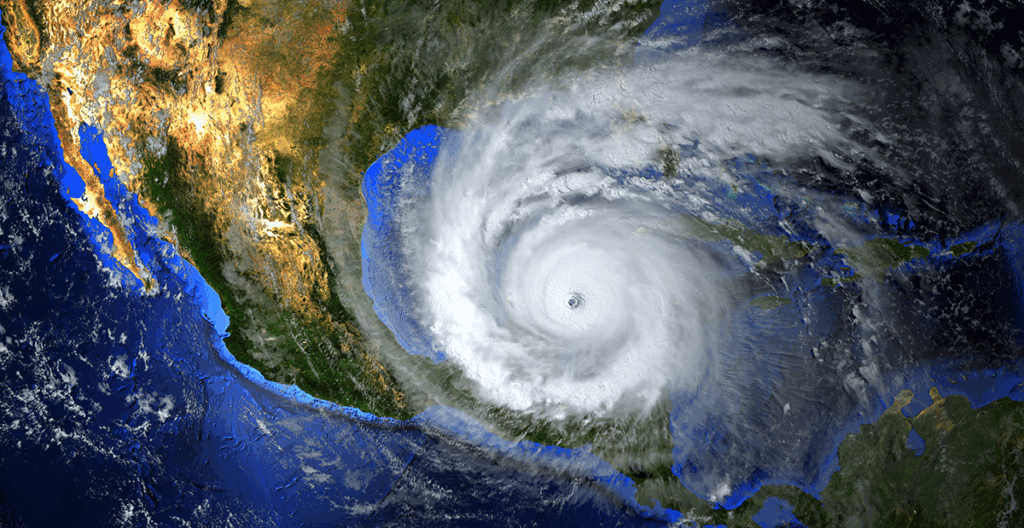
Keep Your Business Prepared For Hurricane Season and Avoid Unnecessary Storm Damage
Commercial Roofing, Facility Management, Featured October 1, 2026 Hurricane Preparedness for Commercial Facilities: 7 Steps to Protect Your Property Hurricane season can bring high winds, heavy rainfall, flooding, flying debris, and power disruptions that put commercial facilities at risk. For facility managers and property owners, preparing before severe weather arrives can help reduce damage, protect critical building systems, and minimize operational downtime. Effective hurricane preparedness for commercial facilities goes beyond the roof. Roofing systems, HVAC equipment, drainage, paved areas, security systems, and emergency procedures should all be evaluated as part of a comprehensive storm preparedness plan. At Connect Service Solutions, we understand how interconnected these systems are. Taking a proactive approach before hurricane season can help identify vulnerabilities and give facility teams time to address potential problems before a storm is approaching. Here are seven areas to include in your commercial hurricane preparedness plan. 1. Schedule a Professional Roof Inspection Your commercial roof is one of your facility’s primary defenses against severe weather, making a pre-storm roof inspection an important place to start. A professional commercial roof inspection should evaluate areas such as: Roof membrane: Check for punctures, tears, blisters, open seams, and other visible damage. Flashings and edges: Inspect perimeter edges, coping, flashings, and terminations for loose or damaged components. Roof penetrations: Evaluate areas around vents, pipes, skylights, HVAC equipment, and other penetrations. Drainage systems: Make sure roof drains, gutters, scuppers, and downspouts are clear and functioning properly. Previous repairs: Inspect previously repaired areas for signs of deterioration or new damage. Identifying roofing problems before severe weather arrives provides an opportunity to address maintenance and repair needs before the roof is subjected to heavy rain and high winds. 2. Complete Preventive Maintenance and Repairs An inspection is most valuable when identified problems are addressed. Before hurricane season, prioritize outstanding maintenance and repairs throughout your facility. For the roofing system, this could include repairing membrane damage, securing loose flashing or coping, and addressing damaged penetrations. Facility teams should also inspect other exterior building components that could be affected by severe weather. Potential maintenance items include: Repairing damaged roofing materials Securing loose flashing, coping, and exterior components Inspecting rooftop equipment and supports Evaluating doors, windows, and exterior openings Removing or securing loose outdoor materials Addressing damaged pavement or drainage areas Small maintenance issues can become larger problems when exposed to high winds and heavy rainfall, so addressing known deficiencies early is an important part of storm preparation. 3. Inspect HVAC and Rooftop Equipment Commercial HVAC equipment is another critical consideration when preparing for hurricane season, particularly when units and components are located on the roof. Facility teams should inspect rooftop HVAC equipment, curbs, supports, connections, and surrounding areas for visible problems. Before severe weather, consider: Inspecting rooftop HVAC units and mounting systems Checking equipment supports and connections Securing loose components where appropriate Clearing debris from around equipment Reviewing backup power procedures for critical systems Confirming emergency shutdown and restart procedures After a major storm, HVAC equipment should be evaluated for visible damage before normal operations resume. 4. Clear Roof and Site Drainage Systems Heavy rainfall can quickly expose drainage problems around a commercial property. Before hurricane season, inspect drainage systems throughout the facility and remove leaves, branches, trash, sediment, and other materials that could obstruct water flow. Pay particular attention to: Roof drains Gutters and downspouts Scuppers Storm drains Parking lot drainage Detention and retention areas Low areas where water frequently collects Standing water can contribute to roofing and pavement deterioration and may create additional accessibility or safety concerns around the property. Keeping drainage pathways clear helps give stormwater a place to go when heavy rainfall occurs. 5. Inspect Parking Lots and Exterior Areas Your storm preparedness plan should extend beyond the building itself. Parking lots, sidewalks, curbs, drainage areas, signage, lighting, and other exterior assets may also be affected by severe weather. Before hurricane season, walk the property and look for: Potholes or deteriorated pavement Drainage problems Standing water Damaged curbs and sidewalks Loose signage Unsecured outdoor equipment Debris that could become airborne Areas where stormwater may have difficulty draining Addressing these issues before a storm can help facility teams prepare the entire site rather than focusing only on the building. 6. Document Your Facility’s Pre-Storm Condition Good documentation provides facility teams with a clear record of property conditions before severe weather occurs. Take photographs and, when useful, video of major building systems and exterior areas, including: Roofing systems Rooftop HVAC equipment Exterior walls Doors and windows Parking lots Drainage systems Security equipment Exterior lighting Other important facility assets Keep inspection reports, maintenance records, repair documentation, equipment information, warranties, and other relevant records organized and accessible. Store copies digitally in a secure location that authorized team members can access even if the facility itself is temporarily unavailable. This information can help with post-storm assessments and may also be useful when documenting damage for insurance purposes. 7. Review Your Emergency Response Plan The days immediately following a hurricane can be just as important as the preparation beforehand. Facility managers should establish a clear response plan before severe weather occurs so employees and service providers understand what needs to happen after the storm. Your plan may include: Emergency contact information Procedures for assessing facility conditions Roofing and building inspection contacts HVAC service contacts Security procedures Utility and electrical contacts Temporary repair procedures Employee communication protocols Insurance contact information Procedures for documenting storm damage Make sure important contacts and documents are available somewhere other than the physical facility. Knowing who to call and what to do can help your organization respond more efficiently when access to the property is restored. What Should You Inspect After a Hurricane? Once authorities determine that conditions are safe and your facility can be accessed, conduct an initial assessment before returning to normal operations. Look for visible signs of: Roof or flashing damage Active water intrusion Damaged rooftop equipment Blocked drainage systems Fallen trees or debris Flooding or standing water Pavement damage Damaged security equipment Electrical hazards
Read More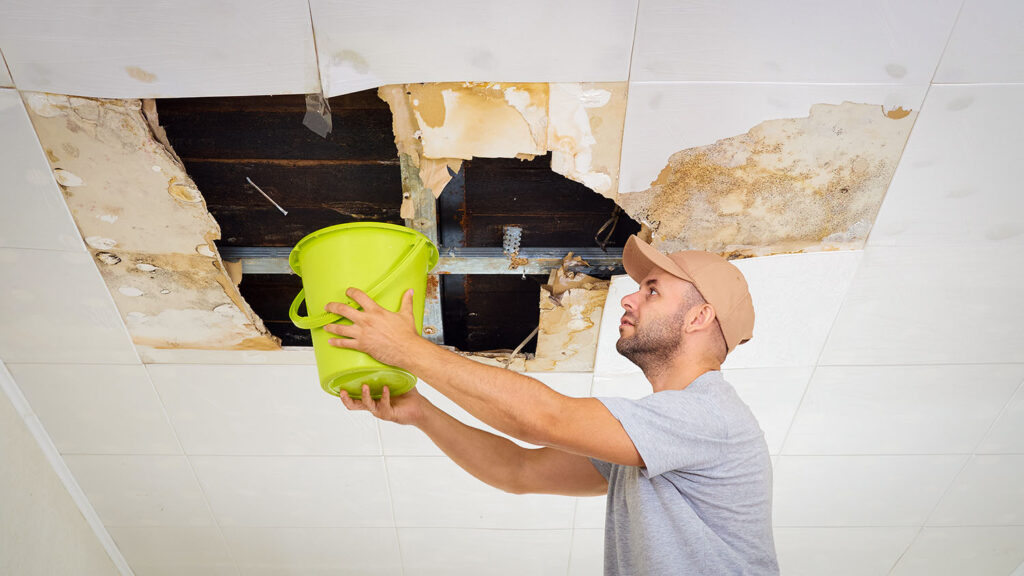
7 Warning Signs of a Commercial Roof Leak: A Facility Manager’s Guide
-
- In Commercial Roofing Facility Management
Commercial Roofing, Facility Management, Featured October 1, 2026 7 Warning Signs of a Commercial Roof Leak: A Facility Manager’s Guide A commercial roof leak can quickly turn from a minor maintenance issue into a costly facility problem. Water intrusion can damage building materials, disrupt operations, affect equipment, and create potential safety concerns for employees and visitors. For facility managers and property owners, knowing how to recognize the early warning signs of a leaking commercial roof is an important part of protecting the building and avoiding more extensive repairs. At Connect Service Solutions, we understand that maintaining a facility requires looking at the entire building—not just one system. Recognizing potential roof problems early and taking the appropriate next steps can help minimize damage, protect operations, and extend the service life of your facility. Here are seven common signs that could indicate your commercial roof is leaking. 1. Water Stains on Ceilings or Walls One of the most recognizable signs of a commercial roof leak is discoloration on ceilings, walls, or ceiling tiles. Brown, yellow, or rust-colored stains may indicate that water has entered the roofing system and traveled into the building. Because water can move along roof decks, structural components, pipes, and other building materials before becoming visible, the location of a stain does not always identify the source of the leak. Areas to Inspect Pay particular attention to: Areas directly beneath the roof Corners where walls and ceilings meet Ceiling tiles and suspended ceiling systems Areas surrounding HVAC units Roof penetrations, pipes, vents, and equipment Previous leak or repair locations If you notice water stains, document their location and appearance. Photos can help maintenance teams track whether the affected area is changing over time and provide valuable information during a professional commercial roof inspection. 2. Standing Water or Active Dripping Inside the Facility Active dripping or water pooling inside a building is a clear indication that water intrusion needs immediate attention. Commercial roofing systems can be complex, and the point where water appears inside the facility may be several feet—or even farther—from the actual source of the roof leak. Water can travel along structural components, insulation, decking, and mechanical systems before reaching an interior space. This can make commercial roof leak detection difficult without a thorough inspection. What to Do If active water intrusion is discovered: Protect people and equipment in the affected area Move valuable materials when it is safe to do so Use containers to collect dripping water Mark or document affected areas Contact a qualified commercial roofing professional Prompt action can help reduce interior damage and minimize disruption to your facility. 3. Persistent Musty or Damp Odors Not every commercial roof leak produces visible water immediately. A persistent musty or damp smell can indicate moisture trapped above ceilings, inside walls, or within the roofing and insulation systems. Because commercial roofs often contain multiple layers of insulation and other materials, moisture may remain hidden for an extended period before visible damage appears. Areas Where Hidden Moisture May Develop Check: Storage rooms Mechanical and utility spaces Areas above suspended ceilings Spaces with limited ventilation Areas surrounding rooftop HVAC equipment Locations with a history of water intrusion If an unexplained odor persists, a professional roof and moisture assessment may help determine whether hidden water intrusion is contributing to the problem. 4. Unusual Exterior Growth or Moisture Patterns Signs of a roof problem are not always found inside the building. Unusual concentrations of moss, mildew, algae, or vegetation around exterior walls, drainage systems, or rooflines may indicate areas where moisture is consistently collecting. Facility teams should pay close attention to: Gutters and downspouts Roof drains Scuppers Drainage outlets Exterior walls near rooflines Areas with concentrated vegetation or mildew Locations where water does not drain properly These conditions do not automatically mean the roof is leaking, but they can indicate drainage or moisture problems that warrant further inspection. Routine exterior inspections can help identify potential commercial roofing issues before they result in interior water damage. 5. Unexpected Changes in Energy Costs An increase in heating or cooling costs may have several causes, but roof-related moisture is one possibility that facility managers should consider. When water enters a roofing system and saturates insulation, the insulation may become less effective. That can make it more difficult for the building to maintain consistent indoor temperatures and may cause HVAC systems to work harder. Potential indicators include: Unexplained increases in utility costs Difficulty maintaining consistent temperatures Hot or cold areas within the facility Wet or damaged roof insulation Changes in HVAC runtime or performance Energy performance alone cannot confirm a roof leak. However, when higher utility costs occur alongside other signs of roof water damage, a commercial roof inspection may be appropriate. 6. Electrical Problems Near Areas of Water Intrusion Water and electrical systems can create serious safety hazards. If electrical issues occur near an area where a commercial roof leak is suspected, the situation should be treated carefully and addressed by qualified professionals. Warning signs may include: Flickering lights Repeatedly tripped breakers Equipment malfunctions Unusual electrical odors or sounds Visible water near electrical equipment, outlets, or wiring Do not attempt to investigate electrical components exposed to water unless you are trained and authorized to do so. Restrict access to the affected area and contact the appropriate electrical and roofing professionals to evaluate the situation safely. 7. Deteriorating Building Materials Visible deterioration of interior building materials can indicate that water intrusion has been occurring for some time. Common examples include: Sagging ceiling tiles Peeling or bubbling paint Warped wall panels Damaged drywall Deteriorating insulation Stained or damaged flooring Corrosion on metal components These conditions may indicate that moisture has moved beyond the roof assembly and begun affecting other parts of the facility. The longer water intrusion continues, the greater the potential for damage to roofing components, insulation, interior finishes, equipment, and other building systems. What Should You Do When You Find a Commercial Roof Leak? Finding a leak is only the first step. A clear
Read More