
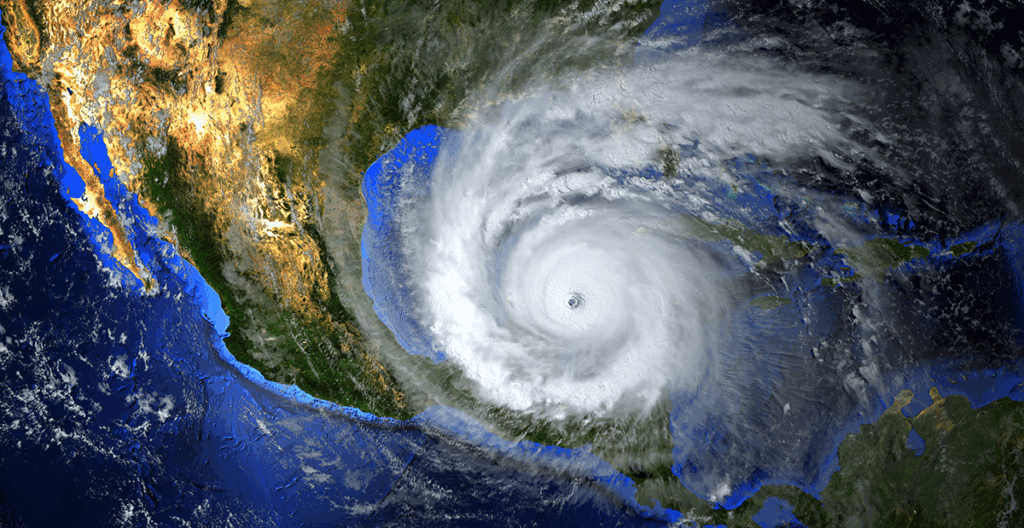
Keep Your Business Prepared For Hurricane Season and Avoid Unnecessary Storm Damage
Commercial Roofing, Facility Management, Featured October 1, 2026 Hurricane Preparedness for Commercial Facilities: 7 Steps to Protect Your Property Hurricane season can bring high winds, heavy rainfall, flooding, flying debris, and power disruptions that put commercial facilities at risk. For facility managers and property owners, preparing before severe weather arrives can help reduce damage, protect critical building systems, and minimize operational downtime. Effective hurricane preparedness for commercial facilities goes beyond the roof. Roofing systems, HVAC equipment, drainage, paved areas, security systems, and emergency procedures should all be evaluated as part of a comprehensive storm preparedness plan. At Connect Service Solutions, we understand how interconnected these systems are. Taking a proactive approach before hurricane season can help identify vulnerabilities and give facility teams time to address potential problems before a storm is approaching. Here are seven areas to include in your commercial hurricane preparedness plan. 1. Schedule a Professional Roof Inspection Your commercial roof is one of your facility’s primary defenses against severe weather, making a pre-storm roof inspection an important place to start. A professional commercial roof inspection should evaluate areas such as: Roof membrane: Check for punctures, tears, blisters, open seams, and other visible damage. Flashings and edges: Inspect perimeter edges, coping, flashings, and terminations for loose or damaged components. Roof penetrations: Evaluate areas around vents, pipes, skylights, HVAC equipment, and other penetrations. Drainage systems: Make sure roof drains, gutters, scuppers, and downspouts are clear and functioning properly. Previous repairs: Inspect previously repaired areas for signs of deterioration or new damage. Identifying roofing problems before severe weather arrives provides an opportunity to address maintenance and repair needs before the roof is subjected to heavy rain and high winds. 2. Complete Preventive Maintenance and Repairs An inspection is most valuable when identified problems are addressed. Before hurricane season, prioritize outstanding maintenance and repairs throughout your facility. For the roofing system, this could include repairing membrane damage, securing loose flashing or coping, and addressing damaged penetrations. Facility teams should also inspect other exterior building components that could be affected by severe weather. Potential maintenance items include: Repairing damaged roofing materials Securing loose flashing, coping, and exterior components Inspecting rooftop equipment and supports Evaluating doors, windows, and exterior openings Removing or securing loose outdoor materials Addressing damaged pavement or drainage areas Small maintenance issues can become larger problems when exposed to high winds and heavy rainfall, so addressing known deficiencies early is an important part of storm preparation. 3. Inspect HVAC and Rooftop Equipment Commercial HVAC equipment is another critical consideration when preparing for hurricane season, particularly when units and components are located on the roof. Facility teams should inspect rooftop HVAC equipment, curbs, supports, connections, and surrounding areas for visible problems. Before severe weather, consider: Inspecting rooftop HVAC units and mounting systems Checking equipment supports and connections Securing loose components where appropriate Clearing debris from around equipment Reviewing backup power procedures for critical systems Confirming emergency shutdown and restart procedures After a major storm, HVAC equipment should be evaluated for visible damage before normal operations resume. 4. Clear Roof and Site Drainage Systems Heavy rainfall can quickly expose drainage problems around a commercial property. Before hurricane season, inspect drainage systems throughout the facility and remove leaves, branches, trash, sediment, and other materials that could obstruct water flow. Pay particular attention to: Roof drains Gutters and downspouts Scuppers Storm drains Parking lot drainage Detention and retention areas Low areas where water frequently collects Standing water can contribute to roofing and pavement deterioration and may create additional accessibility or safety concerns around the property. Keeping drainage pathways clear helps give stormwater a place to go when heavy rainfall occurs. 5. Inspect Parking Lots and Exterior Areas Your storm preparedness plan should extend beyond the building itself. Parking lots, sidewalks, curbs, drainage areas, signage, lighting, and other exterior assets may also be affected by severe weather. Before hurricane season, walk the property and look for: Potholes or deteriorated pavement Drainage problems Standing water Damaged curbs and sidewalks Loose signage Unsecured outdoor equipment Debris that could become airborne Areas where stormwater may have difficulty draining Addressing these issues before a storm can help facility teams prepare the entire site rather than focusing only on the building. 6. Document Your Facility’s Pre-Storm Condition Good documentation provides facility teams with a clear record of property conditions before severe weather occurs. Take photographs and, when useful, video of major building systems and exterior areas, including: Roofing systems Rooftop HVAC equipment Exterior walls Doors and windows Parking lots Drainage systems Security equipment Exterior lighting Other important facility assets Keep inspection reports, maintenance records, repair documentation, equipment information, warranties, and other relevant records organized and accessible. Store copies digitally in a secure location that authorized team members can access even if the facility itself is temporarily unavailable. This information can help with post-storm assessments and may also be useful when documenting damage for insurance purposes. 7. Review Your Emergency Response Plan The days immediately following a hurricane can be just as important as the preparation beforehand. Facility managers should establish a clear response plan before severe weather occurs so employees and service providers understand what needs to happen after the storm. Your plan may include: Emergency contact information Procedures for assessing facility conditions Roofing and building inspection contacts HVAC service contacts Security procedures Utility and electrical contacts Temporary repair procedures Employee communication protocols Insurance contact information Procedures for documenting storm damage Make sure important contacts and documents are available somewhere other than the physical facility. Knowing who to call and what to do can help your organization respond more efficiently when access to the property is restored. What Should You Inspect After a Hurricane? Once authorities determine that conditions are safe and your facility can be accessed, conduct an initial assessment before returning to normal operations. Look for visible signs of: Roof or flashing damage Active water intrusion Damaged rooftop equipment Blocked drainage systems Fallen trees or debris Flooding or standing water Pavement damage Damaged security equipment Electrical hazards
Read More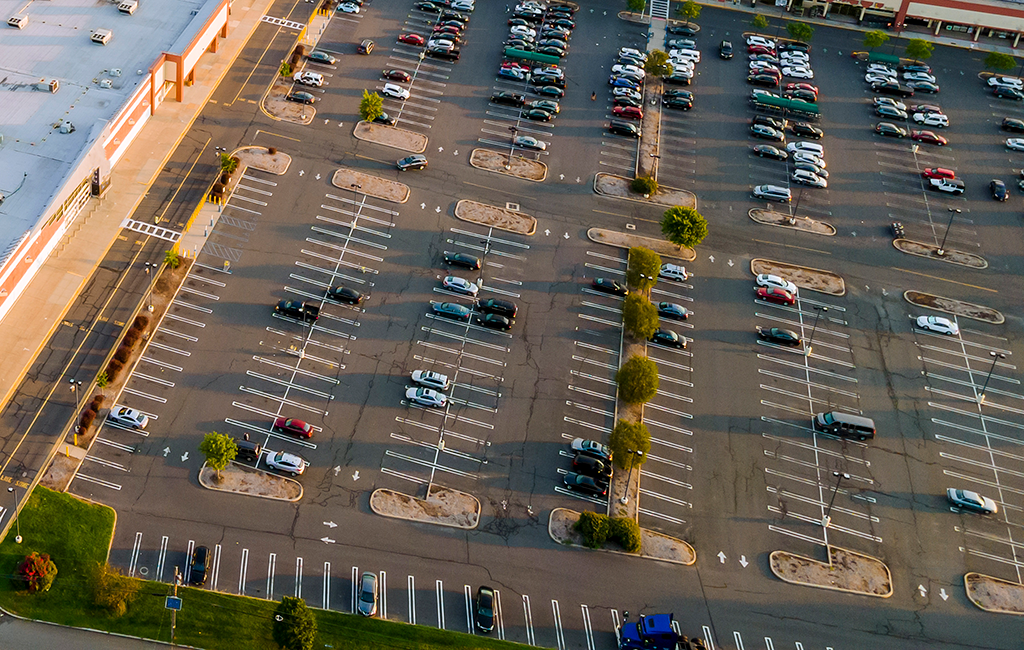
Commercial Parking Lot Maintenance: 5 Ways to Extend the Life of Your Pavement
-
By Lauren Acklin
- In Commercial Paving Facility Management
Commercial Paving, Facility Management October 1, 2026 Commercial Parking Lot Maintenance: 5 Ways to Extend the Life of Your Pavement Your parking lot is one of the first things customers, employees, tenants, and visitors experience when they arrive at your property. Keeping it in good condition is about more than appearance—it can help protect your pavement investment, improve accessibility, and create a safer environment for vehicles and pedestrians. Weather, vehicle traffic, drainage issues, oil and chemical exposure, and everyday wear can gradually deteriorate asphalt and concrete surfaces. Without a proactive parking lot maintenance plan, small issues such as cracks or faded markings can develop into larger, more costly repairs. At Connect Service Solutions, we help facility managers and property owners take a proactive approach to maintaining their properties. Here are five important steps to consider when developing a commercial parking lot maintenance plan. 1. Regularly Inspect Your Parking Lot for Damage Routine visual inspections are one of the simplest ways to identify pavement problems before they become more significant. Walk your parking lot periodically and document areas that show signs of deterioration. Inspections are especially important following severe weather, including heavy rain, extreme heat, freezing temperatures, snow, and ice. What to Look For During a parking lot inspection, watch for: Cracks in asphalt or concrete Potholes or depressions Loose or crumbling pavement Standing water Drainage problems Uneven pavement Damaged curbs or sidewalks Faded pavement markings Areas showing unusual wear Taking photos and documenting problem areas can also help you track pavement conditions over time. If you are unsure about the condition of your parking lot, a professional pavement assessment can help identify current concerns and prioritize potential maintenance or repairs. 2. Keep Pavement and Drainage Areas Clean Routine cleaning plays an important role in commercial parking lot maintenance. Dirt, leaves, trash, rocks, and other debris can accumulate across pavement and around drainage systems. When drains become obstructed, water may remain on the pavement instead of flowing away from the property. Standing water can contribute to pavement deterioration, especially when moisture enters existing cracks or damaged areas. Regular parking lot maintenance should include: Sweeping pavement and pedestrian areas Removing trash and debris Keeping drains and drainage channels clear Addressing oil, fuel, and chemical spills Monitoring areas where water frequently collects A clean parking lot also creates a more professional appearance and makes it easier for facility teams to spot cracks, pavement damage, and other developing issues. 3. Maintain Parking Lot Striping and Pavement Markings Clear pavement markings help organize traffic, define parking spaces, identify pedestrian areas, and communicate important accessibility and safety information. Over time, sunlight, traffic, weather, and routine use can cause parking lot striping to fade. Facility managers should periodically evaluate: Parking space lines Accessible parking spaces Fire lanes Directional arrows Crosswalks Loading zones No-parking areas Curbs and other designated markings Restriping your parking lot when markings become difficult to see can improve the appearance and functionality of the property while helping drivers and pedestrians navigate the facility more clearly. When planning a restriping project, it is also an opportunity to review the overall parking lot layout and identify areas that may need pavement repair or accessibility improvements. 4. Use Crack Sealing, Repairs, and Sealcoating Proactively Small pavement problems generally become more difficult to manage when they are left unaddressed. Cracks can allow water to penetrate beneath the pavement surface, potentially contributing to additional deterioration. Potholes and failed pavement can also expand as they are exposed to traffic and changing weather conditions. Depending on pavement condition, a maintenance plan may include: Crack sealing Asphalt patching Pothole repair Concrete repair Sealcoating Drainage improvements Larger pavement rehabilitation How Sealcoating Helps Sealcoating creates a protective layer over asphalt pavement and can help reduce exposure to sunlight, water, oil, and other environmental conditions while refreshing the pavement’s appearance. However, sealcoating is not a replacement for structural pavement repairs. Existing cracks, potholes, drainage problems, and failed areas should be properly evaluated and addressed as part of the overall maintenance strategy. The appropriate maintenance schedule will depend on pavement condition, traffic, climate, drainage, and the specific needs of your property. 5. Consider Pavement Coatings and Surface Solutions Some commercial properties may also benefit from specialized pavement coating systems. StreetBond pavement coatings, for example, can be applied to asphalt and concrete surfaces to provide a durable decorative finish while supporting the overall pavement system. These coatings can be useful for areas where facility owners want to combine pavement performance with enhanced appearance or clearly designated spaces. Potential applications can include: Parking areas Pedestrian zones Crosswalks Entry areas Traffic-calming features Branded or decorative pavement areas The appropriate pavement coating or surface treatment will depend on the existing pavement condition, intended use, traffic levels, and project goals. Why Preventive Parking Lot Maintenance Matters Waiting until pavement is severely deteriorated can limit your maintenance options. A proactive commercial parking lot maintenance plan allows facility managers to identify issues earlier, prioritize repairs, and plan pavement projects around budgets and operational schedules. Preventive maintenance can also help you develop a clearer understanding of your pavement assets across a single property or an entire portfolio. Instead of reacting to individual potholes or cracks as they appear, a long-term pavement strategy can address: Current repair needs Preventive maintenance Drainage concerns ADA and accessibility considerations Pavement markings Future resurfacing or replacement Capital planning and budgeting This approach helps turn parking lot maintenance from a reactive expense into a planned component of overall facility management. Build a Parking Lot Maintenance Plan for Your Facility Every parking lot is different. Age, traffic, climate, pavement type, drainage, previous repairs, and property use can all affect how quickly pavement deteriorates and which maintenance solutions make sense. A professional parking lot assessment can provide a clearer picture of current pavement conditions and help facility teams prioritize immediate repairs, preventive maintenance, and long-term improvements. At Connect Service Solutions, our family of companies provides comprehensive solutions for commercial facilities nationwide. Through our specialized paving capabilities, we can support asphalt and
Read More