
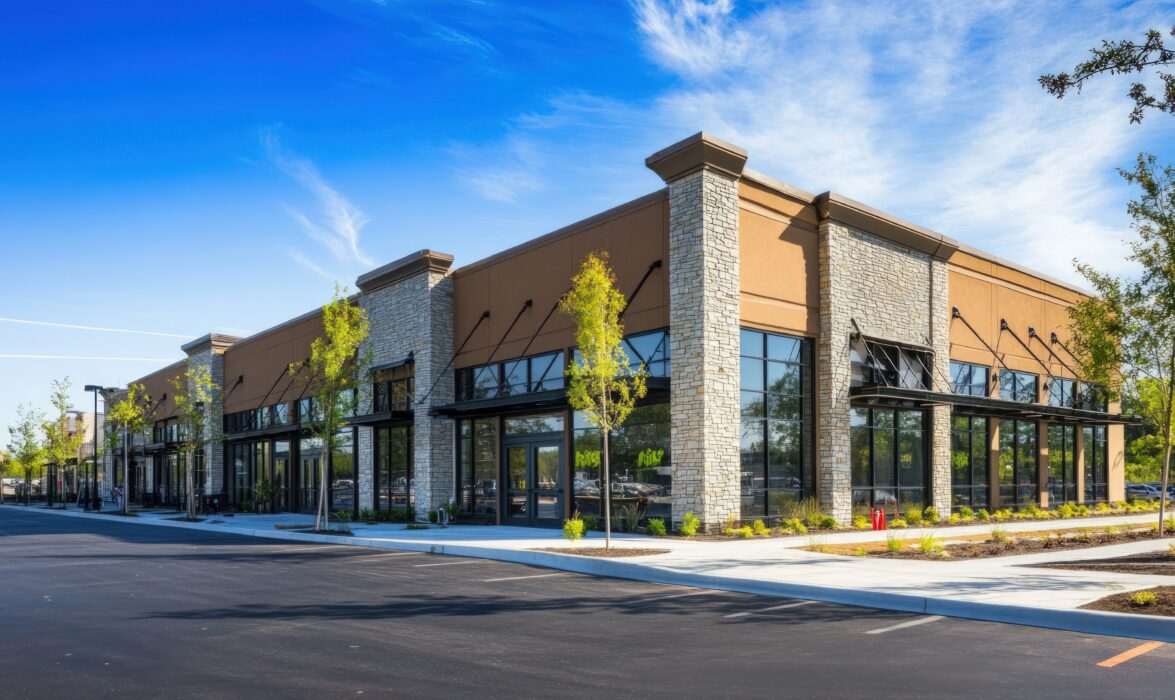
What Breaks Down Asphalt Pavement? 6 Major Factors That Can Damage Your Investment
-
By Lauren Acklin
- In Commercial Paving Facility Management
Commercial Paving, Facility Management October 5, 2026 What Breaks Down Asphalt Pavement? 6 Major Factors That Can Damage Your Investment Your parking lot is more than a place to park. It is an important part of your facility’s infrastructure and often one of the first things customers, employees, tenants, and visitors experience when they arrive. Unfortunately, asphalt pavement begins facing environmental and operational stress from the moment it is installed. Water, sunlight, heavy traffic, chemicals, vegetation, and underlying construction issues can all contribute to deterioration over time. Understanding what causes asphalt pavement damage can help property and facility managers identify problems earlier, plan maintenance more effectively, and protect their investment. At Connect Service Solutions, we help organizations take a proactive approach to parking lots and exterior facility maintenance through nationwide paving and facility solutions. 1. Water Damage: One of Asphalt’s Biggest Threats Water is one of the most significant contributors to asphalt pavement deterioration. When water penetrates cracks or collects because of poor drainage, it can reach the pavement’s underlying layers and weaken the structure supporting the asphalt. Over time, this can contribute to cracking, potholes, settling, and other pavement failures. In colder climates, freeze-thaw cycles can make the problem worse. Water enters existing cracks, freezes and expands, and can gradually widen damaged areas. Common warning signs include: Standing or ponding water Cracks that continue to widen Potholes Depressed or uneven pavement Deterioration near drains and curbs Areas where water does not drain properly Proper drainage, timely pavement repairs, and routine crack sealing can help limit water intrusion and protect the pavement structure. 2. UV Rays and Sun Exposure Your parking lot spends every day exposed to the elements, including ultraviolet radiation from the sun. Over time, UV exposure contributes to oxidation of the asphalt binder. As pavement oxidizes, it can lose flexibility and become more brittle, making the surface increasingly susceptible to cracking and deterioration. Heat can add another layer of stress, particularly in areas with prolonged periods of high temperatures and direct sunlight. Preventative maintenance such as sealcoating can provide an additional protective layer against environmental exposure while helping maintain the appearance and condition of the pavement. 3. Heavy Traffic and Vehicle Loads Not every section of a parking lot experiences the same amount of stress. Delivery trucks, garbage trucks, service vehicles, buses, tractor-trailers, and other heavy vehicles place significantly different demands on pavement than passenger vehicles. Repeated loading can eventually contribute to rutting, cracking, depressions, and structural pavement failure. Certain areas are especially vulnerable, including: Loading zones Dumpster pads and approaches Delivery routes Drive lanes Entrances and exits Truck parking areas High-traffic intersections Understanding how vehicles move through a property can help facility managers identify high-stress areas and determine whether additional maintenance or structural improvements may be necessary. 4. Tree Roots and Vegetation Landscaping can improve the appearance of a commercial property, but vegetation can also become a pavement maintenance concern. As tree roots grow beneath or alongside pavement, they can place pressure on the pavement structure and contribute to lifting, cracking, and uneven surfaces. Even small weeds and plants can create problems when they begin growing inside existing pavement cracks. As vegetation grows, it can expand openings and allow additional water to enter the pavement system. Proactive landscape management can help reduce these risks. Facility teams should watch for: Tree roots lifting pavement or sidewalks Vegetation growing through pavement cracks Landscape areas encroaching on paved surfaces Cracking near mature trees Uneven transitions between landscaping and pavement Addressing vegetation and pavement cracks early can help prevent minor conditions from becoming larger repair projects. 5. Oil, Fuel, and Chemical Exposure Commercial parking lots regularly encounter automotive fluids and other substances that can damage asphalt. Oil, gasoline, diesel fuel, and similar petroleum-based products can affect the asphalt binder and cause areas of pavement to soften or deteriorate. Once weakened, these areas may become more susceptible to traffic damage, cracking, and surface failure. Winter maintenance materials and other chemicals can also contribute to pavement deterioration, particularly when combined with existing cracks and water infiltration. Facility teams should respond to spills quickly and follow appropriate environmental and safety procedures when hazardous substances are involved. Visible staining, soft pavement, surface deterioration, or crumbling around frequently used parking and loading areas may indicate that chemical exposure is contributing to pavement damage. 6. Poor Installation, Drainage, and Pavement Design Sometimes the problem isn’t what happens to the pavement. It is what is happening underneath it. Proper pavement performance starts with appropriate design and installation. Inadequate base preparation, poor compaction, insufficient pavement thickness, drainage problems, or materials that are not suited to expected traffic loads can contribute to premature deterioration. Potential signs of underlying pavement problems include: Premature cracking Recurring potholes Uneven settling Persistent drainage problems Rutting Depressed areas Repeated failures in the same location Simply repairing the surface may not solve these problems if the underlying cause remains. A professional pavement evaluation can help determine whether localized repairs, drainage improvements, resurfacing, reconstruction, or another solution is appropriate. How to Protect Your Asphalt Investment The best time to address pavement deterioration is often before it becomes a major repair. A proactive parking lot maintenance strategy gives facility teams an opportunity to identify early warning signs, prioritize repairs, plan budgets, and extend the useful service life of pavement assets. Here are several important areas to consider. Sealcoating Sealcoating provides a protective surface layer that can help reduce exposure to water, sunlight, automotive fluids, and other environmental conditions. The appropriate application schedule depends on factors such as pavement age, traffic volume, climate, existing condition, and the type of sealer being used. Regular pavement evaluations can help determine when sealcoating should become part of your maintenance plan. Crack Sealing Small cracks can quickly become pathways for water. Addressing cracks early helps limit water infiltration into the pavement structure and can slow further deterioration. Cracking should also be evaluated to determine whether it represents a surface-level maintenance issue or a deeper structural problem. Widespread interconnected or “alligator” cracking,
Read More
Protect Your Critical Facility: Facility Solutions for Data Centers
-
- In Commercial Roofing Facility Management
Commercial Roofing, Facility Management October 5, 2026 Protect Your Critical Facility: Facility Solutions for Data Centers Data centers are built around one essential priority: reliability. From power and cooling to security and building infrastructure, every system must work together to support continuous operations and protect critical technology. But maintaining a reliable data center goes beyond the equipment inside the facility. The building itself—and the systems that protect and support it—plays an important role in reducing risk, maintaining controlled environments, and preventing unexpected disruptions. At Connect Service Solutions, we help data center operators and facility teams take a proactive approach to facility maintenance and infrastructure. Through our family of specialized companies, we provide nationwide solutions for commercial roofing, HVAC, physical security, paving, construction, solar, and other critical facility needs. Why Facility Maintenance Matters for Data Centers Even a relatively small facility issue can create significant consequences in a mission-critical environment. A roof leak, HVAC failure, drainage problem, security vulnerability, or infrastructure deficiency can threaten sensitive equipment and interfere with normal operations. For data centers, proactive facility maintenance helps identify vulnerabilities before they develop into larger problems. It also gives facility teams greater visibility into asset conditions, maintenance priorities, capital planning, and long-term facility performance. Instead of reacting to failures, facility managers can establish a strategy designed around prevention, preparedness, and reliability. Protecting the Building Envelope The commercial roofing system is one of a data center’s first lines of defense against weather and water intrusion. A roof leak that might be considered a routine maintenance issue in another commercial property can carry much greater risk in a data center. Water intrusion can threaten electrical systems, servers, cooling equipment, and other valuable infrastructure. Routine commercial roof inspections and preventative maintenance can help identify conditions such as: Damaged or deteriorating roofing membranes Open seams, flashing, and penetrations Ponding water and drainage concerns Damage surrounding rooftop equipment Aging sealants and roofing accessories Storm, wind, and hail damage Areas of potential moisture intrusion Addressing these conditions early can help reduce emergency repairs, extend roof service life, and minimize disruption to critical operations. Managing Complex Rooftop Infrastructure Data center roofs can be particularly complex because of the mechanical and cooling infrastructure required to support the facility. HVAC equipment, piping, penetrations, supports, electrical components, and ongoing service activity can create additional stress on the roofing system. Each penetration or equipment installation must be properly integrated with the roof to maintain watertight performance. Inspections are also important after mechanical work, equipment upgrades, solar installations, or other rooftop activity. Identifying accidental damage early can prevent a minor issue from developing into a costly leak or operational concern. Maintaining Reliable HVAC and Cooling Infrastructure Temperature and humidity control are essential to data center operations. HVAC and cooling systems must operate reliably to help maintain the controlled environment required by servers and other sensitive technology. A proactive HVAC maintenance strategy can help facility teams identify equipment issues before they result in unexpected downtime. Preventative maintenance, system evaluations, equipment replacement, retrofits, and other HVAC services can also support efficiency and long-term system performance. As data centers continue to evolve and equipment loads increase, maintaining dependable mechanical infrastructure becomes an increasingly important part of overall facility planning. Strengthening Physical Security Protecting a data center also means controlling who can access the facility and monitoring critical areas. Physical security solutions such as access control, video surveillance, system integration, network infrastructure, and preventative maintenance can help data center operators maintain greater visibility and control throughout their properties. Regular security assessments can also help identify vulnerabilities, outdated equipment, or gaps between existing technology and current facility requirements. Preparing Facilities for Severe Weather Mission-critical facilities cannot wait until severe weather arrives to begin preparing. Preventative inspections can identify drainage concerns, loose materials, vulnerable roof flashing, pavement deterioration, and other exterior conditions that may become larger problems during severe weather. Following a significant storm, timely facility assessments can help teams identify damage, prioritize repairs, and respond before smaller issues affect operations. For organizations managing multiple data centers across different regions, a coordinated facility strategy can also simplify emergency response and provide greater visibility across the entire portfolio. Smarter Facility Management Across Multiple Locations Managing one mission-critical facility is complex. Managing an entire data center portfolio requires consistency, documentation, reliable service, and strong communication across multiple markets. Connect Service Solutions brings specialized facility services together through a single-source approach. Our nationwide capabilities help organizations coordinate work across locations while maintaining greater consistency in service, reporting, and project management. A proactive facility management strategy can help data center operators: Understand current asset conditions Identify and prioritize maintenance needs Plan future capital improvements Reduce unexpected repairs Standardize service across multiple facilities Improve visibility across their facility portfolio Make informed decisions based on asset performance Supporting the Full Facility Lifecycle Protecting a data center isn’t a one-time project. It requires an ongoing strategy that evolves alongside the facility and its technology. Through the Connect Service Solutions family of companies, data center operators can access services including: Commercial roofing inspections and maintenance Roof leak investigation and emergency repair Roof replacement, restoration, and coatings HVAC service and preventative maintenance HVAC retrofits and equipment replacement Physical security and access control Video surveillance and network solutions Asphalt and concrete paving Facility and construction management Solar and renewable energy solutions Asset management and capital planning Emergency and storm response Nationwide multi-site facility programs Whether you’re maintaining an existing data center, planning an expansion, upgrading infrastructure, or managing facilities across the country, having the right partners in place can help reduce risk and improve long-term facility performance. Protect the Facility Behind Your Critical Infrastructure Data centers are designed with layers of protection, redundancy, and contingency planning. Your facility maintenance strategy should follow the same philosophy. By identifying vulnerabilities early, proactively maintaining critical building systems, and establishing a reliable plan for emergency response, facility teams can reduce unnecessary risk and better protect the infrastructure their operations depend on. Don’t wait for a facility issue to become an operational problem.
Read More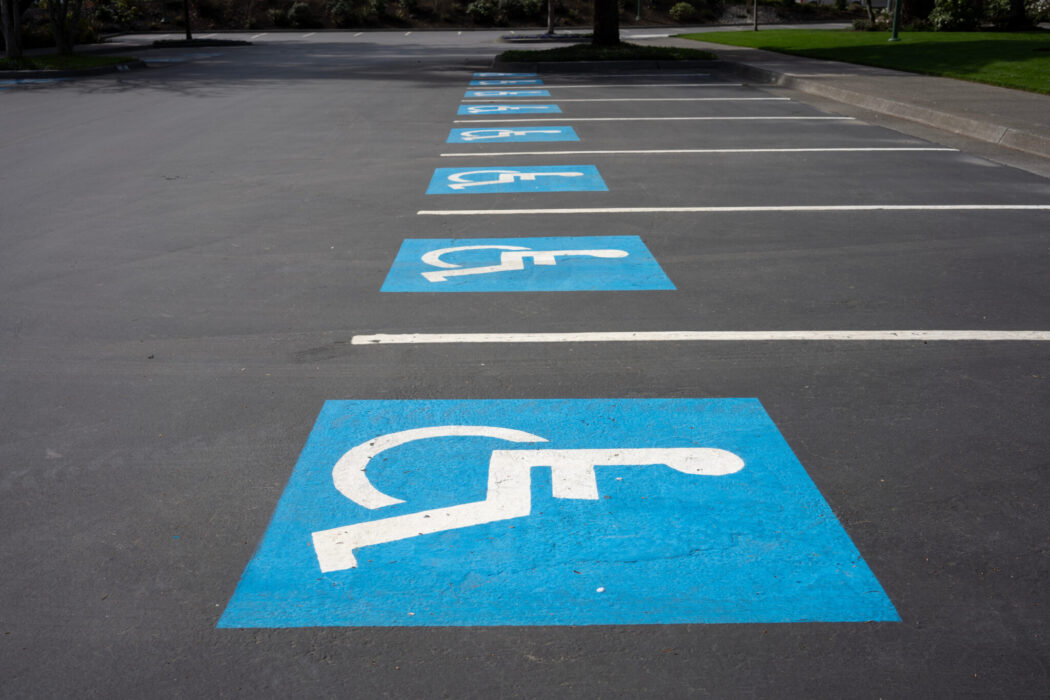
ADA-Compliant Parking Lots: What Every Property Manager Needs to Know
-
- In Commercial Paving Facility Management
Commercial Paving, Facility Management October 5, 2026 ADA-Compliant Parking Lots: What Every Property Manager Needs to Know A safe, accessible property starts before visitors ever reach the front door. For commercial property owners and facility managers, maintaining an ADA-compliant parking lot is an important part of providing accessible facilities and reducing potential compliance and liability risks. From retail centers and office buildings to healthcare facilities, schools, industrial properties, and multi-site portfolios, accessible parking areas must meet applicable requirements under the Americans with Disabilities Act (ADA) as well as relevant state and local codes. At Connect Service Solutions, we help facility teams take a proactive approach to parking lot maintenance, accessibility, and exterior facility conditions through nationwide paving and facility solutions. What Makes a Parking Lot ADA Compliant? ADA parking lot compliance involves much more than painting an accessibility symbol on the pavement. Accessible parking spaces, access aisles, routes, signage, slopes, and surrounding surfaces all work together to provide safe access to a facility. Requirements can vary based on the property, parking capacity, facility type, and applicable state or local regulations, making regular evaluations an important part of facility maintenance. Key considerations include: Proper Number of Accessible Parking Spaces ADA standards establish minimum requirements for the number of accessible parking spaces based on the total number of spaces provided within a parking facility. For example: 1–25 total spaces = 1 accessible space 26–50 total spaces = 2 accessible spaces 51–75 total spaces = 3 accessible spaces 76–100 total spaces = 4 accessible spaces As parking capacity increases, additional accessible spaces are required. Certain facility types may also be subject to different requirements, and state or local codes may establish additional standards. Van-Accessible Parking Spaces A portion of accessible parking must accommodate vans. These spaces require specific dimensions and features designed to provide enough room for individuals using mobility devices and vehicle lifts. Important considerations can include: Proper parking space and access aisle dimensions Required vertical clearance Accessible routes to facility entrances Clearly visible signage Appropriate pavement markings Incorrect dimensions, access aisles, or signage can create accessibility concerns even when an accessible parking space is present. Accessible Routes to the Facility Providing an accessible parking space is only part of the equation. Visitors must also have an accessible route from the parking area to an accessible building entrance. Facility teams should evaluate conditions such as: Surface stability and slip resistance Changes in elevation Pavement slopes Curb ramps Sidewalk conditions Drainage Obstructions along accessible routes Potholes, deteriorated pavement, damaged concrete, standing water, and other surface deficiencies can make an otherwise compliant route difficult or unsafe to navigate. Why ADA Parking Lot Compliance Matters ADA compliance is about more than checking a box. Maintaining accessible exterior areas helps provide a safer and more welcoming experience for employees, customers, tenants, patients, students, and other visitors. Accessibility deficiencies can also expose property owners and businesses to compliance issues, remediation expenses, complaints, or legal action. Potential concerns may include: ADA-related complaints or enforcement State and local code violations Civil litigation Increased liability exposure Unexpected repair and remediation costs Negative experiences for customers and visitors Many accessibility concerns can develop gradually as parking lots age, making routine inspections and preventative maintenance especially important. Common ADA Parking Lot Issues A parking lot that was compliant when originally constructed may not remain that way indefinitely. Pavement deterioration, restriping, repairs, renovations, and other property changes can affect accessibility over time. Common issues include: Insufficient accessible parking spaces Incorrect parking space or access aisle dimensions Missing, damaged, or improperly positioned signage Faded pavement markings Improper access aisle striping Excessive pavement slopes Potholes and deteriorated pavement Damaged or non-compliant curb ramps Blocked accessible routes Drainage or standing-water concerns Routine parking lot evaluations can help facility managers identify these conditions before they become larger maintenance or accessibility problems. Take a Proactive Approach to Parking Lot Maintenance ADA accessibility should be considered as part of an overall parking lot maintenance strategy, rather than only when a property is renovated or a complaint occurs. Preventative maintenance can help preserve pavement conditions, improve safety, maintain a professional appearance, and identify potential accessibility concerns before significant repairs are required. Services such as asphalt repair, concrete repair, crack sealing, sealcoating, pavement markings, signage, drainage improvements, and parking lot reconstruction can all play a role in maintaining safe and accessible exterior areas. Managing Accessibility Across Multiple Properties ADA compliance can become more challenging for organizations managing facilities across multiple cities or states. Different pavement conditions, property layouts, maintenance histories, and local requirements can make it difficult to maintain consistent standards across an entire portfolio. Through our family of specialized companies, Connect Service Solutions provides nationwide facility support that helps organizations coordinate projects, standardize maintenance programs, and gain greater visibility into facility conditions across multiple locations. Our capabilities include: ADA parking lot evaluations Asphalt paving and repair Concrete construction and repair Parking lot striping and pavement markings Signage installation and replacement Curb and sidewalk improvements Crack sealing and sealcoating Drainage and stormwater solutions Site preparation and infrastructure improvements Preventative maintenance programs Nationwide multi-site project management By taking a portfolio-wide approach, facility teams can better prioritize repairs, plan capital improvements, and maintain more consistent exterior conditions across their properties. Accessibility Is Part of the Bigger Facility Picture The parking lot is often the first and last part of a property that customers, employees, and visitors experience. Its condition can affect accessibility, safety, appearance, drainage, traffic flow, and the overall impression of the facility. For property and facility managers, evaluating parking areas alongside other critical building systems creates a more comprehensive approach to facility maintenance. Connect Service Solutions brings together specialized capabilities in paving, commercial roofing, HVAC, security, construction, solar, and other facility services, helping organizations manage more of their facility needs through a coordinated nationwide network. Keep Your Facilities Safe, Accessible, and Ready Maintaining ADA-compliant parking areas is an ongoing responsibility. Pavement conditions change, markings fade, concrete deteriorates, and facility needs evolve. Regular evaluations and proactive maintenance can help identify potential
Read More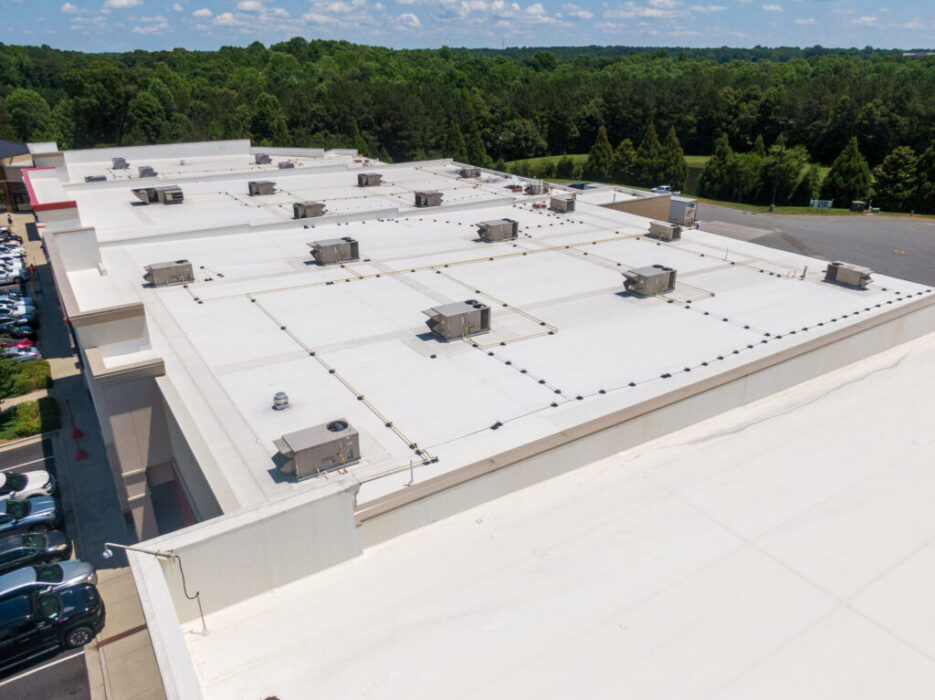
Why Regular HVAC Maintenance Is Essential for Commercial Facilities
-
- In Facility Management HVAC
Facility Management, HVAC October 1, 2026 Why Regular HVAC Maintenance Is Essential for Commercial Facilities HVAC systems are critical to the day-to-day operation of commercial facilities. From office buildings and retail locations to healthcare facilities, schools, government properties, industrial plants, and manufacturing facilities, reliable heating, cooling, and ventilation help maintain comfortable and functional environments throughout the year. But keeping commercial HVAC equipment running effectively requires more than responding when something goes wrong. A proactive commercial HVAC maintenance plan can help facility managers identify developing problems, improve system performance, reduce unexpected disruptions, and make more informed decisions about their mechanical assets. At Connect Service Solutions, we understand that HVAC is one part of a much larger facility management strategy. Here are some of the most important reasons to make preventive HVAC maintenance a priority. 1. Improve HVAC Energy Efficiency Commercial HVAC systems can represent a significant portion of a facility’s overall energy use. When equipment is dirty, worn, improperly adjusted, or operating with restricted airflow, the system may have to work harder to maintain desired indoor conditions. Routine maintenance can help keep equipment operating as intended. Depending on the system, preventive HVAC maintenance may include: Replacing or cleaning air filters Cleaning coils Inspecting belts and moving components Checking electrical connections Evaluating system controls and sensors Inspecting refrigerant components Checking airflow Identifying abnormal equipment operation Maintaining equipment regularly can help facility teams identify inefficiencies before they develop into larger performance problems. 2. Support Better Indoor Air Quality Indoor air quality, or IAQ, is another important consideration for commercial facilities. HVAC systems circulate air throughout occupied spaces, making filtration, ventilation, and equipment cleanliness important components of an overall indoor air quality strategy. Routine HVAC maintenance can include inspecting and replacing filters, cleaning system components, checking ventilation, and identifying conditions that may affect airflow or indoor comfort. Depending on your facility and HVAC system, maintenance may help reduce the circulation of dust and other airborne contaminants while supporting cleaner, more consistent airflow throughout occupied spaces. For facilities with specialized indoor environmental requirements, regular HVAC inspections can also help teams identify areas that require additional attention. 3. Reduce the Risk of Unexpected HVAC Breakdowns Few facility managers want to discover an HVAC problem because employees, customers, tenants, or occupants are suddenly uncomfortable. Preventive maintenance gives technicians an opportunity to identify signs of wear, damaged components, unusual system behavior, and other potential problems during scheduled service rather than waiting for equipment to fail. A proactive maintenance program may help identify: Worn belts or components Dirty filters and coils Electrical connection problems Drainage issues Unusual noises or vibration Airflow problems Control or sensor issues Other signs of equipment deterioration Addressing developing problems early can help reduce the likelihood of unexpected disruptions and give facility teams more time to plan necessary repairs. 4. Support Safety and Facility Requirements Commercial facilities may have a variety of requirements related to HVAC operation, ventilation, equipment, indoor environments, and building performance. These requirements can vary based on the building, equipment, location, occupancy, and industry. Routine inspections and maintenance give facility teams an opportunity to document equipment condition, identify maintenance needs, and address potential concerns as part of their broader facility management program. Keeping accurate HVAC service records can also help organizations maintain a clearer history of repairs, inspections, equipment condition, and completed maintenance. 5. Help Extend HVAC Equipment Service Life Commercial HVAC equipment represents a substantial facility investment. Like most mechanical equipment, HVAC systems experience normal wear over time. Components become dirty, belts wear, connections loosen, filters become restricted, and equipment performance can change. Regular preventive maintenance can help identify and address these issues before they contribute to more significant equipment problems. Maintaining equipment consistently may also help facility managers get more useful service life from existing HVAC assets and better anticipate when major repairs, retrofits, or replacements should be considered. 6. Make HVAC Costs More Predictable Reactive maintenance can make facility budgeting difficult. An unexpected HVAC failure may require emergency service, replacement parts, temporary cooling or heating, or even equipment replacement at an inconvenient time. A planned maintenance strategy gives facility managers greater visibility into equipment condition and upcoming needs. Instead of simply reacting when equipment fails, teams can use inspection and maintenance information to help prioritize: Immediate repairs Preventive maintenance Equipment upgrades HVAC retrofits Capital replacements Energy-efficiency improvements This can make HVAC maintenance a more predictable component of long-term facility planning. What Should a Commercial HVAC Maintenance Plan Include? There is no single maintenance schedule that works for every commercial HVAC system. The appropriate program depends on factors such as equipment type, age, manufacturer recommendations, operating conditions, building use, climate, occupancy, and system demand. A commercial HVAC maintenance program may include: Site Surveys Evaluating the facility and its HVAC equipment can help establish current system conditions and identify specific maintenance requirements. Preventive Maintenance Agreements Scheduled service agreements provide a structured approach to routine HVAC maintenance and inspections throughout the year. Filter and Belt Changes Regular replacement of filters and worn belts can help maintain airflow and reduce unnecessary strain on equipment. Coil Cleaning Dirty coils can affect heat transfer and system performance. Routine inspection and cleaning can help keep these components functioning properly. Multi-Point HVAC Inspections A comprehensive inspection may evaluate components such as fans, electrical connections, controls, sensors, refrigerant systems, drainage, and other critical equipment. System Performance Evaluation Monitoring equipment performance over time can help identify changes that may indicate maintenance, repair, retrofit, or replacement needs. What Happens When HVAC Maintenance Is Neglected? Skipping preventive HVAC maintenance doesn’t necessarily result in an immediate failure. Instead, problems can develop gradually and become more noticeable over time. Facility teams may begin experiencing: Increased energy consumption Inconsistent temperatures Reduced airflow More frequent service calls Unexpected equipment failures Poor indoor comfort Increased repair needs Shortened equipment service life For facilities with multiple buildings or locations, these problems can become even more difficult to manage without a standardized maintenance strategy. Consider HVAC Maintenance Across Your Facility Portfolio Organizations managing multiple properties can benefit
Read More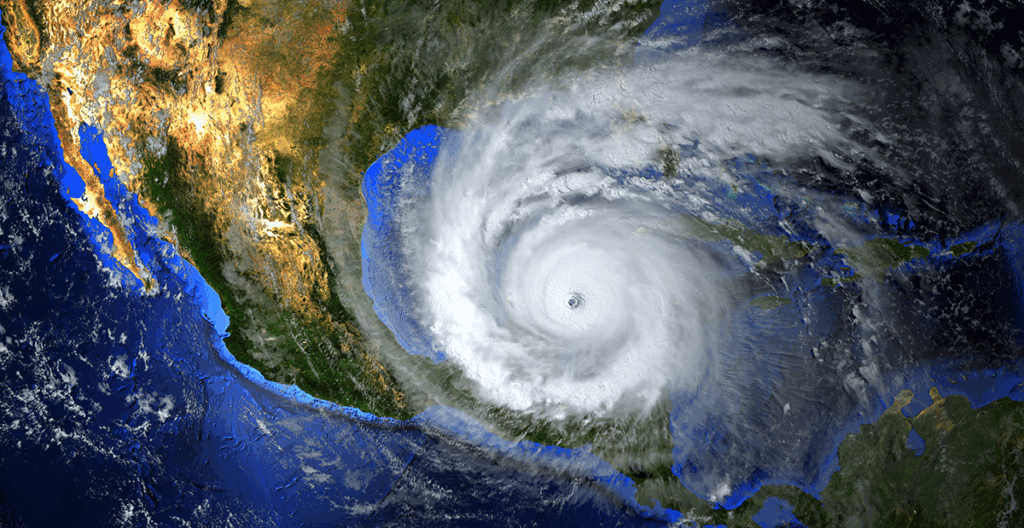
Keep Your Business Prepared For Hurricane Season and Avoid Unnecessary Storm Damage
Commercial Roofing, Facility Management, Featured October 1, 2026 Hurricane Preparedness for Commercial Facilities: 7 Steps to Protect Your Property Hurricane season can bring high winds, heavy rainfall, flooding, flying debris, and power disruptions that put commercial facilities at risk. For facility managers and property owners, preparing before severe weather arrives can help reduce damage, protect critical building systems, and minimize operational downtime. Effective hurricane preparedness for commercial facilities goes beyond the roof. Roofing systems, HVAC equipment, drainage, paved areas, security systems, and emergency procedures should all be evaluated as part of a comprehensive storm preparedness plan. At Connect Service Solutions, we understand how interconnected these systems are. Taking a proactive approach before hurricane season can help identify vulnerabilities and give facility teams time to address potential problems before a storm is approaching. Here are seven areas to include in your commercial hurricane preparedness plan. 1. Schedule a Professional Roof Inspection Your commercial roof is one of your facility’s primary defenses against severe weather, making a pre-storm roof inspection an important place to start. A professional commercial roof inspection should evaluate areas such as: Roof membrane: Check for punctures, tears, blisters, open seams, and other visible damage. Flashings and edges: Inspect perimeter edges, coping, flashings, and terminations for loose or damaged components. Roof penetrations: Evaluate areas around vents, pipes, skylights, HVAC equipment, and other penetrations. Drainage systems: Make sure roof drains, gutters, scuppers, and downspouts are clear and functioning properly. Previous repairs: Inspect previously repaired areas for signs of deterioration or new damage. Identifying roofing problems before severe weather arrives provides an opportunity to address maintenance and repair needs before the roof is subjected to heavy rain and high winds. 2. Complete Preventive Maintenance and Repairs An inspection is most valuable when identified problems are addressed. Before hurricane season, prioritize outstanding maintenance and repairs throughout your facility. For the roofing system, this could include repairing membrane damage, securing loose flashing or coping, and addressing damaged penetrations. Facility teams should also inspect other exterior building components that could be affected by severe weather. Potential maintenance items include: Repairing damaged roofing materials Securing loose flashing, coping, and exterior components Inspecting rooftop equipment and supports Evaluating doors, windows, and exterior openings Removing or securing loose outdoor materials Addressing damaged pavement or drainage areas Small maintenance issues can become larger problems when exposed to high winds and heavy rainfall, so addressing known deficiencies early is an important part of storm preparation. 3. Inspect HVAC and Rooftop Equipment Commercial HVAC equipment is another critical consideration when preparing for hurricane season, particularly when units and components are located on the roof. Facility teams should inspect rooftop HVAC equipment, curbs, supports, connections, and surrounding areas for visible problems. Before severe weather, consider: Inspecting rooftop HVAC units and mounting systems Checking equipment supports and connections Securing loose components where appropriate Clearing debris from around equipment Reviewing backup power procedures for critical systems Confirming emergency shutdown and restart procedures After a major storm, HVAC equipment should be evaluated for visible damage before normal operations resume. 4. Clear Roof and Site Drainage Systems Heavy rainfall can quickly expose drainage problems around a commercial property. Before hurricane season, inspect drainage systems throughout the facility and remove leaves, branches, trash, sediment, and other materials that could obstruct water flow. Pay particular attention to: Roof drains Gutters and downspouts Scuppers Storm drains Parking lot drainage Detention and retention areas Low areas where water frequently collects Standing water can contribute to roofing and pavement deterioration and may create additional accessibility or safety concerns around the property. Keeping drainage pathways clear helps give stormwater a place to go when heavy rainfall occurs. 5. Inspect Parking Lots and Exterior Areas Your storm preparedness plan should extend beyond the building itself. Parking lots, sidewalks, curbs, drainage areas, signage, lighting, and other exterior assets may also be affected by severe weather. Before hurricane season, walk the property and look for: Potholes or deteriorated pavement Drainage problems Standing water Damaged curbs and sidewalks Loose signage Unsecured outdoor equipment Debris that could become airborne Areas where stormwater may have difficulty draining Addressing these issues before a storm can help facility teams prepare the entire site rather than focusing only on the building. 6. Document Your Facility’s Pre-Storm Condition Good documentation provides facility teams with a clear record of property conditions before severe weather occurs. Take photographs and, when useful, video of major building systems and exterior areas, including: Roofing systems Rooftop HVAC equipment Exterior walls Doors and windows Parking lots Drainage systems Security equipment Exterior lighting Other important facility assets Keep inspection reports, maintenance records, repair documentation, equipment information, warranties, and other relevant records organized and accessible. Store copies digitally in a secure location that authorized team members can access even if the facility itself is temporarily unavailable. This information can help with post-storm assessments and may also be useful when documenting damage for insurance purposes. 7. Review Your Emergency Response Plan The days immediately following a hurricane can be just as important as the preparation beforehand. Facility managers should establish a clear response plan before severe weather occurs so employees and service providers understand what needs to happen after the storm. Your plan may include: Emergency contact information Procedures for assessing facility conditions Roofing and building inspection contacts HVAC service contacts Security procedures Utility and electrical contacts Temporary repair procedures Employee communication protocols Insurance contact information Procedures for documenting storm damage Make sure important contacts and documents are available somewhere other than the physical facility. Knowing who to call and what to do can help your organization respond more efficiently when access to the property is restored. What Should You Inspect After a Hurricane? Once authorities determine that conditions are safe and your facility can be accessed, conduct an initial assessment before returning to normal operations. Look for visible signs of: Roof or flashing damage Active water intrusion Damaged rooftop equipment Blocked drainage systems Fallen trees or debris Flooding or standing water Pavement damage Damaged security equipment Electrical hazards
Read More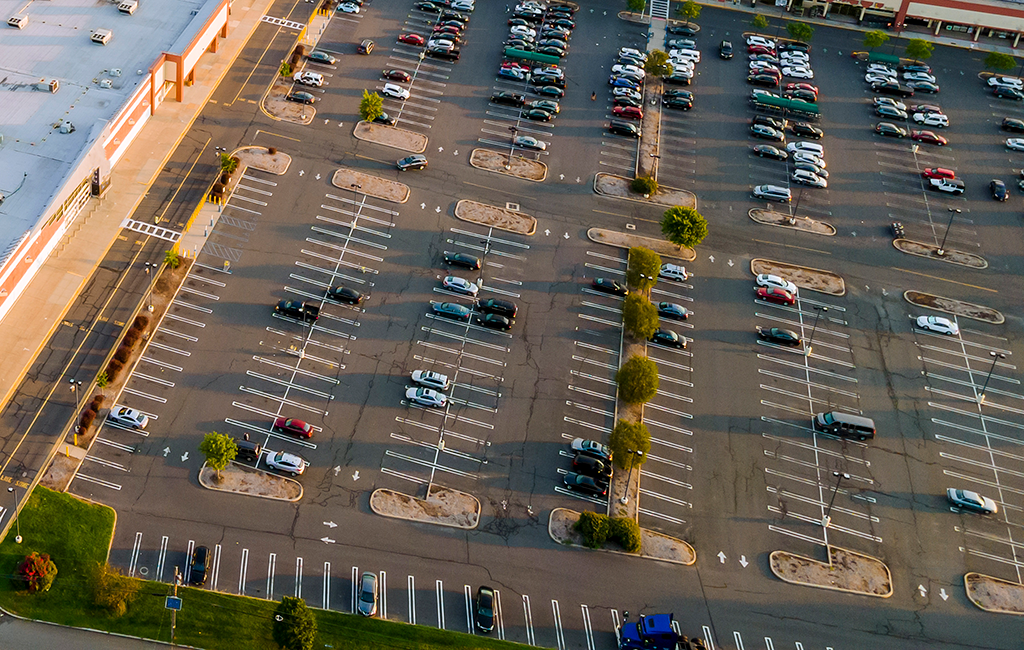
Commercial Parking Lot Maintenance: 5 Ways to Extend the Life of Your Pavement
-
- In Commercial Paving Facility Management
Commercial Paving, Facility Management October 1, 2026 Commercial Parking Lot Maintenance: 5 Ways to Extend the Life of Your Pavement Your parking lot is one of the first things customers, employees, tenants, and visitors experience when they arrive at your property. Keeping it in good condition is about more than appearance—it can help protect your pavement investment, improve accessibility, and create a safer environment for vehicles and pedestrians. Weather, vehicle traffic, drainage issues, oil and chemical exposure, and everyday wear can gradually deteriorate asphalt and concrete surfaces. Without a proactive parking lot maintenance plan, small issues such as cracks or faded markings can develop into larger, more costly repairs. At Connect Service Solutions, we help facility managers and property owners take a proactive approach to maintaining their properties. Here are five important steps to consider when developing a commercial parking lot maintenance plan. 1. Regularly Inspect Your Parking Lot for Damage Routine visual inspections are one of the simplest ways to identify pavement problems before they become more significant. Walk your parking lot periodically and document areas that show signs of deterioration. Inspections are especially important following severe weather, including heavy rain, extreme heat, freezing temperatures, snow, and ice. What to Look For During a parking lot inspection, watch for: Cracks in asphalt or concrete Potholes or depressions Loose or crumbling pavement Standing water Drainage problems Uneven pavement Damaged curbs or sidewalks Faded pavement markings Areas showing unusual wear Taking photos and documenting problem areas can also help you track pavement conditions over time. If you are unsure about the condition of your parking lot, a professional pavement assessment can help identify current concerns and prioritize potential maintenance or repairs. 2. Keep Pavement and Drainage Areas Clean Routine cleaning plays an important role in commercial parking lot maintenance. Dirt, leaves, trash, rocks, and other debris can accumulate across pavement and around drainage systems. When drains become obstructed, water may remain on the pavement instead of flowing away from the property. Standing water can contribute to pavement deterioration, especially when moisture enters existing cracks or damaged areas. Regular parking lot maintenance should include: Sweeping pavement and pedestrian areas Removing trash and debris Keeping drains and drainage channels clear Addressing oil, fuel, and chemical spills Monitoring areas where water frequently collects A clean parking lot also creates a more professional appearance and makes it easier for facility teams to spot cracks, pavement damage, and other developing issues. 3. Maintain Parking Lot Striping and Pavement Markings Clear pavement markings help organize traffic, define parking spaces, identify pedestrian areas, and communicate important accessibility and safety information. Over time, sunlight, traffic, weather, and routine use can cause parking lot striping to fade. Facility managers should periodically evaluate: Parking space lines Accessible parking spaces Fire lanes Directional arrows Crosswalks Loading zones No-parking areas Curbs and other designated markings Restriping your parking lot when markings become difficult to see can improve the appearance and functionality of the property while helping drivers and pedestrians navigate the facility more clearly. When planning a restriping project, it is also an opportunity to review the overall parking lot layout and identify areas that may need pavement repair or accessibility improvements. 4. Use Crack Sealing, Repairs, and Sealcoating Proactively Small pavement problems generally become more difficult to manage when they are left unaddressed. Cracks can allow water to penetrate beneath the pavement surface, potentially contributing to additional deterioration. Potholes and failed pavement can also expand as they are exposed to traffic and changing weather conditions. Depending on pavement condition, a maintenance plan may include: Crack sealing Asphalt patching Pothole repair Concrete repair Sealcoating Drainage improvements Larger pavement rehabilitation How Sealcoating Helps Sealcoating creates a protective layer over asphalt pavement and can help reduce exposure to sunlight, water, oil, and other environmental conditions while refreshing the pavement’s appearance. However, sealcoating is not a replacement for structural pavement repairs. Existing cracks, potholes, drainage problems, and failed areas should be properly evaluated and addressed as part of the overall maintenance strategy. The appropriate maintenance schedule will depend on pavement condition, traffic, climate, drainage, and the specific needs of your property. 5. Consider Pavement Coatings and Surface Solutions Some commercial properties may also benefit from specialized pavement coating systems. StreetBond pavement coatings, for example, can be applied to asphalt and concrete surfaces to provide a durable decorative finish while supporting the overall pavement system. These coatings can be useful for areas where facility owners want to combine pavement performance with enhanced appearance or clearly designated spaces. Potential applications can include: Parking areas Pedestrian zones Crosswalks Entry areas Traffic-calming features Branded or decorative pavement areas The appropriate pavement coating or surface treatment will depend on the existing pavement condition, intended use, traffic levels, and project goals. Why Preventive Parking Lot Maintenance Matters Waiting until pavement is severely deteriorated can limit your maintenance options. A proactive commercial parking lot maintenance plan allows facility managers to identify issues earlier, prioritize repairs, and plan pavement projects around budgets and operational schedules. Preventive maintenance can also help you develop a clearer understanding of your pavement assets across a single property or an entire portfolio. Instead of reacting to individual potholes or cracks as they appear, a long-term pavement strategy can address: Current repair needs Preventive maintenance Drainage concerns ADA and accessibility considerations Pavement markings Future resurfacing or replacement Capital planning and budgeting This approach helps turn parking lot maintenance from a reactive expense into a planned component of overall facility management. Build a Parking Lot Maintenance Plan for Your Facility Every parking lot is different. Age, traffic, climate, pavement type, drainage, previous repairs, and property use can all affect how quickly pavement deteriorates and which maintenance solutions make sense. A professional parking lot assessment can provide a clearer picture of current pavement conditions and help facility teams prioritize immediate repairs, preventive maintenance, and long-term improvements. At Connect Service Solutions, our family of companies provides comprehensive solutions for commercial facilities nationwide. Through our specialized paving capabilities, we can support asphalt and
Read More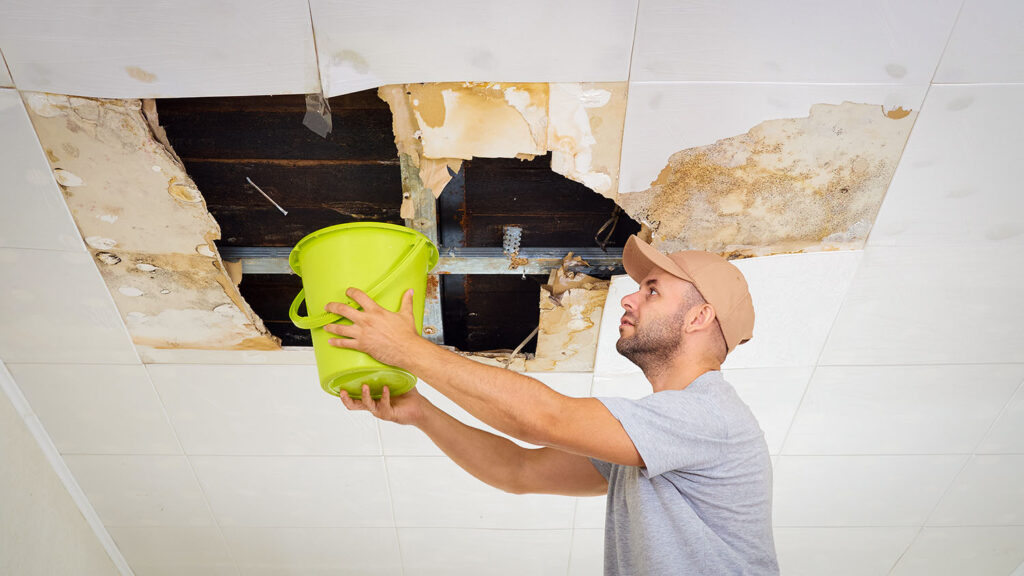
7 Warning Signs of a Commercial Roof Leak: A Facility Manager’s Guide
-
- In Commercial Roofing Facility Management
Commercial Roofing, Facility Management, Featured October 1, 2026 7 Warning Signs of a Commercial Roof Leak: A Facility Manager’s Guide A commercial roof leak can quickly turn from a minor maintenance issue into a costly facility problem. Water intrusion can damage building materials, disrupt operations, affect equipment, and create potential safety concerns for employees and visitors. For facility managers and property owners, knowing how to recognize the early warning signs of a leaking commercial roof is an important part of protecting the building and avoiding more extensive repairs. At Connect Service Solutions, we understand that maintaining a facility requires looking at the entire building—not just one system. Recognizing potential roof problems early and taking the appropriate next steps can help minimize damage, protect operations, and extend the service life of your facility. Here are seven common signs that could indicate your commercial roof is leaking. 1. Water Stains on Ceilings or Walls One of the most recognizable signs of a commercial roof leak is discoloration on ceilings, walls, or ceiling tiles. Brown, yellow, or rust-colored stains may indicate that water has entered the roofing system and traveled into the building. Because water can move along roof decks, structural components, pipes, and other building materials before becoming visible, the location of a stain does not always identify the source of the leak. Areas to Inspect Pay particular attention to: Areas directly beneath the roof Corners where walls and ceilings meet Ceiling tiles and suspended ceiling systems Areas surrounding HVAC units Roof penetrations, pipes, vents, and equipment Previous leak or repair locations If you notice water stains, document their location and appearance. Photos can help maintenance teams track whether the affected area is changing over time and provide valuable information during a professional commercial roof inspection. 2. Standing Water or Active Dripping Inside the Facility Active dripping or water pooling inside a building is a clear indication that water intrusion needs immediate attention. Commercial roofing systems can be complex, and the point where water appears inside the facility may be several feet—or even farther—from the actual source of the roof leak. Water can travel along structural components, insulation, decking, and mechanical systems before reaching an interior space. This can make commercial roof leak detection difficult without a thorough inspection. What to Do If active water intrusion is discovered: Protect people and equipment in the affected area Move valuable materials when it is safe to do so Use containers to collect dripping water Mark or document affected areas Contact a qualified commercial roofing professional Prompt action can help reduce interior damage and minimize disruption to your facility. 3. Persistent Musty or Damp Odors Not every commercial roof leak produces visible water immediately. A persistent musty or damp smell can indicate moisture trapped above ceilings, inside walls, or within the roofing and insulation systems. Because commercial roofs often contain multiple layers of insulation and other materials, moisture may remain hidden for an extended period before visible damage appears. Areas Where Hidden Moisture May Develop Check: Storage rooms Mechanical and utility spaces Areas above suspended ceilings Spaces with limited ventilation Areas surrounding rooftop HVAC equipment Locations with a history of water intrusion If an unexplained odor persists, a professional roof and moisture assessment may help determine whether hidden water intrusion is contributing to the problem. 4. Unusual Exterior Growth or Moisture Patterns Signs of a roof problem are not always found inside the building. Unusual concentrations of moss, mildew, algae, or vegetation around exterior walls, drainage systems, or rooflines may indicate areas where moisture is consistently collecting. Facility teams should pay close attention to: Gutters and downspouts Roof drains Scuppers Drainage outlets Exterior walls near rooflines Areas with concentrated vegetation or mildew Locations where water does not drain properly These conditions do not automatically mean the roof is leaking, but they can indicate drainage or moisture problems that warrant further inspection. Routine exterior inspections can help identify potential commercial roofing issues before they result in interior water damage. 5. Unexpected Changes in Energy Costs An increase in heating or cooling costs may have several causes, but roof-related moisture is one possibility that facility managers should consider. When water enters a roofing system and saturates insulation, the insulation may become less effective. That can make it more difficult for the building to maintain consistent indoor temperatures and may cause HVAC systems to work harder. Potential indicators include: Unexplained increases in utility costs Difficulty maintaining consistent temperatures Hot or cold areas within the facility Wet or damaged roof insulation Changes in HVAC runtime or performance Energy performance alone cannot confirm a roof leak. However, when higher utility costs occur alongside other signs of roof water damage, a commercial roof inspection may be appropriate. 6. Electrical Problems Near Areas of Water Intrusion Water and electrical systems can create serious safety hazards. If electrical issues occur near an area where a commercial roof leak is suspected, the situation should be treated carefully and addressed by qualified professionals. Warning signs may include: Flickering lights Repeatedly tripped breakers Equipment malfunctions Unusual electrical odors or sounds Visible water near electrical equipment, outlets, or wiring Do not attempt to investigate electrical components exposed to water unless you are trained and authorized to do so. Restrict access to the affected area and contact the appropriate electrical and roofing professionals to evaluate the situation safely. 7. Deteriorating Building Materials Visible deterioration of interior building materials can indicate that water intrusion has been occurring for some time. Common examples include: Sagging ceiling tiles Peeling or bubbling paint Warped wall panels Damaged drywall Deteriorating insulation Stained or damaged flooring Corrosion on metal components These conditions may indicate that moisture has moved beyond the roof assembly and begun affecting other parts of the facility. The longer water intrusion continues, the greater the potential for damage to roofing components, insulation, interior finishes, equipment, and other building systems. What Should You Do When You Find a Commercial Roof Leak? Finding a leak is only the first step. A clear
Read More